Surgical Orthodontics in Torrance, CA
When your upper and lower jaws don't line up, everyday tasks get harder than they should. Biting into a sandwich, speaking clearly, or resting your lips together can take real effort, and many people start to dislike how their profile looks in photos.
A jaw imbalance doesn't correct itself with time. Teeth that meet unevenly wear down faster, chewing puts extra strain on the jaw joints, and for some people a lower jaw that sits too far back narrows the airway and disturbs sleep.
Surgical orthodontics combines braces with corrective jaw surgery, also called orthognathic surgery, to correct both the bone and the bite. At Jenuine Smiles Orthodontics in Torrance, Dr. Jennifer Huynh, known to patients as Dr. Jen, guides your orthodontic care from start to finish and works closely with an experienced oral and maxillofacial surgeon.
How Corrective Jaw Surgery and Braces Work Together
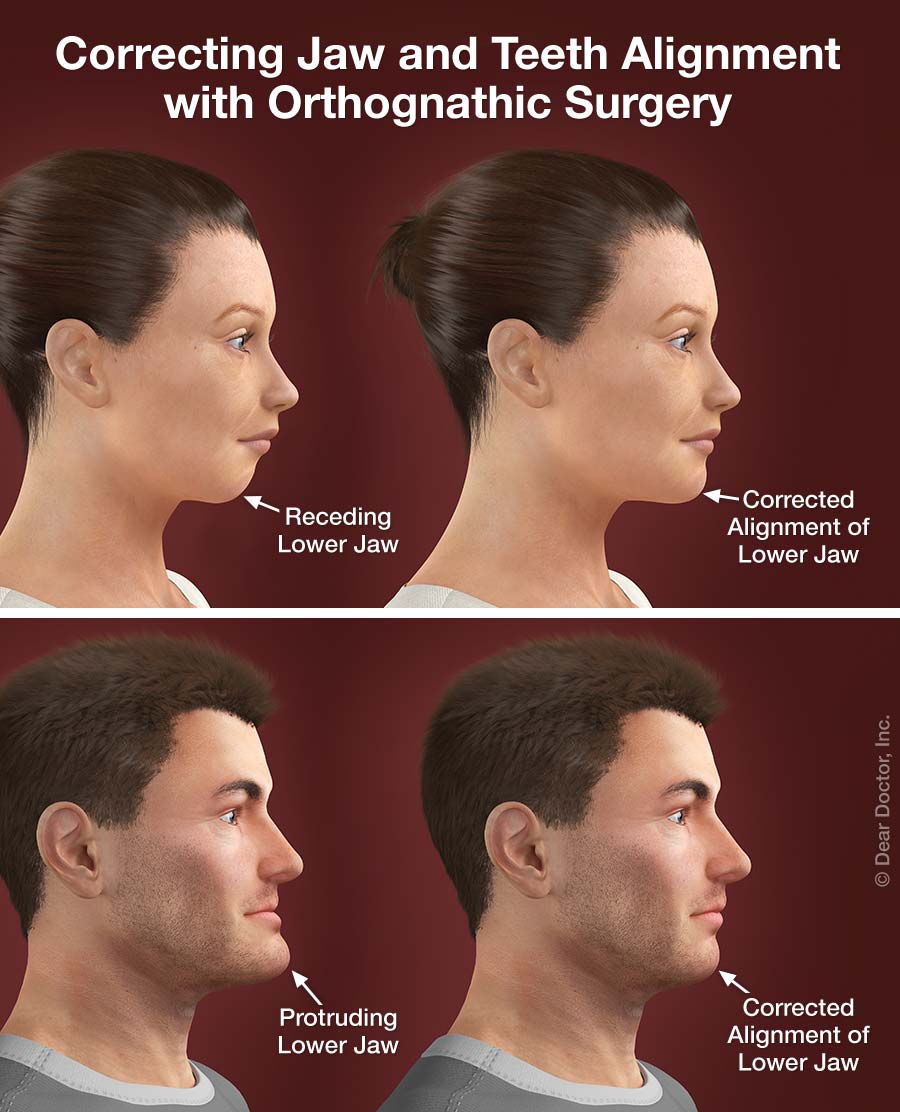
Braces move teeth, but they can't change the size or position of the jaw bones once growth has finished. That's the job of surgery.
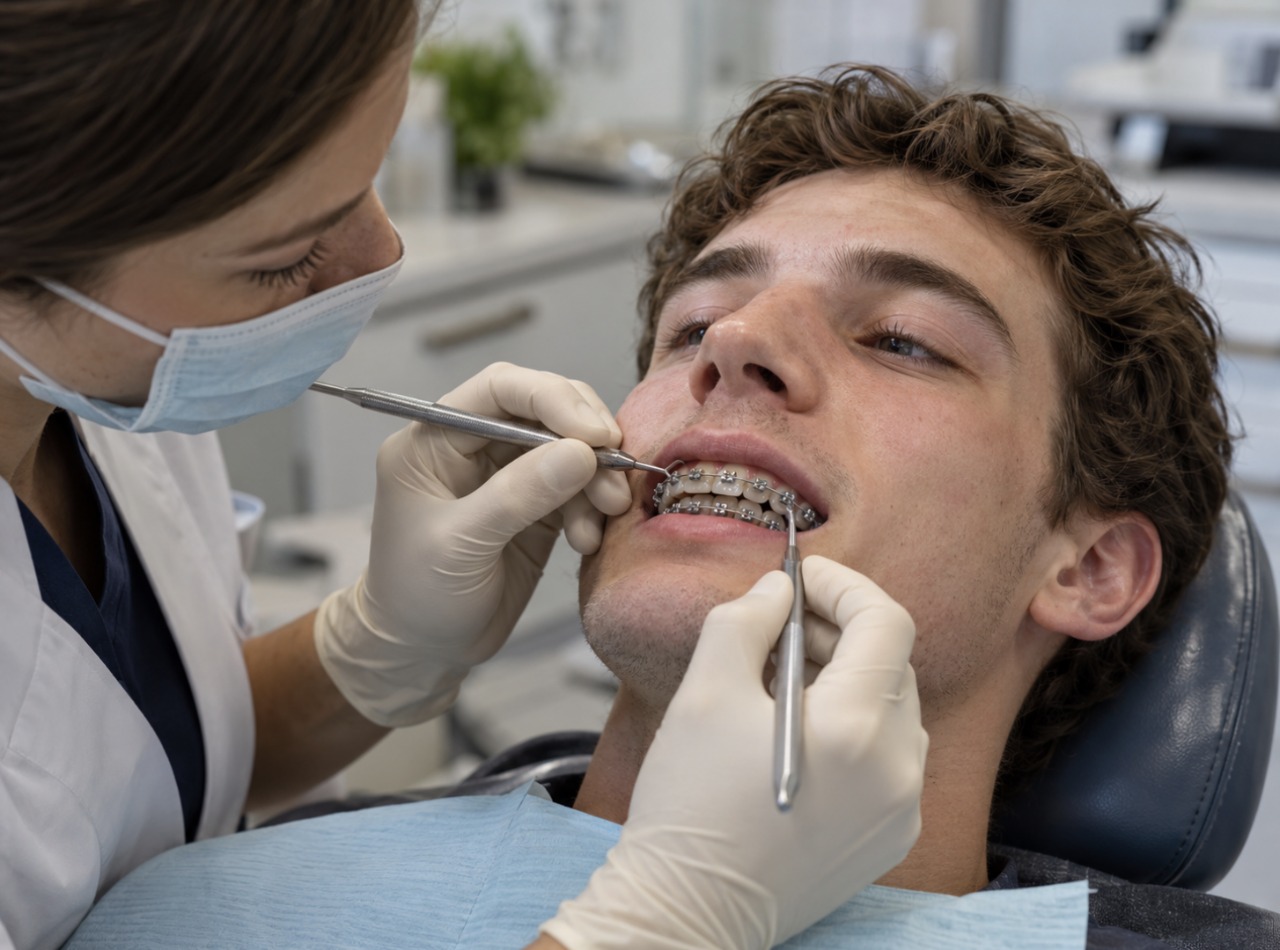
Your care has two partners. Dr. Jen moves your teeth into the right positions before and after surgery, and your oral surgeon repositions the upper jaw, the lower jaw, or both so everything fits.
This kind of teamwork is close to Dr. Jen's heart. She first found her calling in orthodontics while watching a team of specialists care for a child born with a cleft lip and palate.
Here's what the combined approach can do for you:
- A bite where your upper and lower teeth meet evenly
- Easier chewing, biting, and swallowing
- Clearer speech when jaw position affects how you form sounds
- Less wear on your teeth and less strain on your jaw joints
- A more balanced profile from your nose to your chin
- A more open airway for some patients whose jaw position affects their sleep
Digital Planning for Predictable Jaw Surgery Results
We start with 3D scans of your teeth and bite, plus detailed facial imaging and photos. Dr. Jen shares these records with your surgeon, so the whole team works from the same plan before treatment begins.
You'll be able to see how your bite and profile are expected to change. Seeing the expected result ahead of time makes the decision much easier to weigh.
Modern surgical techniques make recovery easier than many people expect. Surgeons secure the repositioned bone with small titanium plates and screws, which hold everything steady while it heals and usually means you won't need to have your jaw wired shut.
Who Is a Good Candidate for Surgical Orthodontics?
This treatment is for patients whose bite problem starts in the bones, not just the teeth. You may be a candidate if you have:
- A strong underbite, where the lower jaw sits ahead of the upper jaw
- A lower jaw that sits far behind the upper jaw
- An open bite, where your front teeth don't touch when you close
- A crossbite or clear unevenness between the left and right sides of your face
- Trouble chewing, biting, or closing your lips comfortably
- Jaw pain linked to how your jaws line up
Timing matters too. Most patients are adults or older teens whose jaws have stopped growing, which usually happens by the mid to late teens for girls and the late teens to early twenties for boys.
Not every bad bite needs surgery. When orthodontic treatment alone can correct the problem, Dr. Jen will tell you so and recommend the simpler route.
What to Expect at Your First Visit to Jenuine Smiles
Your first visit is a free consultation, and there's no pressure to decide anything that day. Once you book, we'll text or email your new patient forms so you can fill them out from home before you arrive.
At our Torrance Boulevard office, you'll meet Henry, our treatment coordinator, who will walk you through the visit and answer your early questions. Dr. Jen then closely examines your teeth, your bite, and how your upper and lower jaws align from the front and the side.
If she needs a clearer picture, we'll take records such as panoramic imaging, a 3D scan of your bite, and sometimes images of your jaw joints. The scan replaces the gooey impression trays many people dread.
Before you leave, Dr. Jen explains what she found in plain terms and tells you whether your case may need surgery or whether braces alone can likely handle it. We'll also review costs and payment options, including 0% interest financing through our office, and our team will check your orthodontic insurance benefits.
How Your Jaw Correction Comes Together

- Bite and Profile Evaluation: Dr. Jen examines your teeth, jaws, and facial balance, then takes 3D scans and imaging. If surgery makes sense, she refers you to an oral surgeon so the two can review your case together.
- Preparing Your Teeth for Surgery: You'll wear braces for about 12 to 18 months to align each arch. Your bite may look a little off during this stage, which is normal and planned.
- Surgery Day With Your Oral Surgeon: Your surgeon repositions your jaw in a hospital or surgical center while you're under general anesthesia. Incisions are usually made inside the mouth, so visible scars are rare.
- Settling Your New Bite: After about six weeks of initial healing, Dr. Jen returns to adjust your braces and bring your teeth into their final fit. This finishing stage often takes six months to a year.
- Protecting Your Results: Once your braces come off, custom retainers hold your teeth in their new positions. We'll see you for checkups to keep your bite stable.
Find Out Whether Surgical Orthodontics Is Right for You
You don't have to keep struggling with a bite that makes everyday things harder. Dr. Jen can help you understand what's causing the problem and whether braces alone or corrective jaw surgery is the right approach. Call or text our Torrance office at 310-543-2711, or contact us to schedule your free consultation and take the first step toward a more comfortable, balanced bite.
Frequently Asked Questions About Surgical Orthodontic
How long does surgical orthodontic treatment take?
Most patients finish in about two to three years, including 12 to 18 months of braces before surgery, a few weeks of initial healing, and six months to a year of finishing work afterward. Your exact timeline depends on how far your teeth and jaws need to move, and Dr. Jen will map it out at your consultation.
What is recovery like after corrective jaw surgery?
Expect swelling and a liquid or soft-food diet for the first few weeks, and many patients spend 1 or 2 nights in the hospital. Most people return to work or school within two to three weeks, and the jaw usually finishes its initial healing in about six weeks, when Dr. Jen resumes adjusting your braces.
Why does my bite look worse before jaw surgery?
Before surgery, braces move your teeth to where they belong on a properly aligned jaw, not your current one, so an underbite or overbite can look more noticeable for a while. This is a planned part of treatment, and it lets your surgeon fit your jaws together precisely so your final bite comes out right.
Does insurance cover surgical orthodontics?
Medical insurance sometimes covers corrective jaw surgery when it's needed to fix a functional problem such as difficulty chewing, speaking, or breathing. Coverage varies widely by plan, so check with your medical and dental insurers early, and ask us about our flexible monthly financing for any costs your plan doesn't pay.
Can braces fix my bite without jaw surgery?
Sometimes, yes, when the jaw difference is mild, and braces can shift the teeth enough to create a healthy, comfortable bite. When the problem comes from the size or position of the jaw bones themselves, moving teeth alone can't fully correct it, and Dr. Jen will walk you through both options honestly before you decide.