
Early Orthodontic Treatment in Torrance, CA
Phase 1 Orthodontic Care for Children
Early orthodontic treatment helps identify and address developing bite, alignment, and jaw concerns in children while they are still growing. At Jenuine Smiles Orthodontics in Torrance, CA, Dr. Jen provides personalized orthodontic evaluations and Phase 1 treatment when appropriate. Our goal is to support healthy smile development while helping every child feel comfortable and confident throughout their orthodontic journey.
When Should Your Child First See an Orthodontist?
Parents often ask us when to bring in their children for an initial orthodontic consultation, and often, they're surprised by the answer. In keeping with the American Association of Orthodontists, we ask parents to bring their kids in for their first visit around age 7. A children's orthodontist can evaluate developing teeth and jaws, even before all permanent teeth appear. This may seem early, but at this age, the back bite has established itself. An early orthodontic evaluation helps Dr. Jen identify developing bite and jaw concerns, including possible issues that may arise as your child grows.
Planning your child's first orthodontic visit? Learn what to expect at your first visit at Jenuine Smiles Orthodontics in Torrance.
Keep in mind that we won't necessarily begin treatment at this early age. In fact, in most cases, we'll simply monitor your child's development until the appropriate time to start with expanders, braces or Invisalign. However, some orthodontic conditions are much easier and faster to treat during childhood – and if that's the case for your child, we'll recommend early orthodontic treatment.
Signs Your Child May Need Early Orthodontic Treatment
Early orthodontic treatment, also called interceptive treatment, refers to any orthodontic treatment done during childhood, usually from ages 7-9. Most kids don't need early treatment, but there are a few kinds of orthodontic malocclusion (bad bite) that are much easier to treat at this early age. This is because, during childhood, the mouth isn't fully developed. In particular, the two halves of the upper jaw have yet to fuse together into a single bone. Early treatment may help guide jaw growth and development while your child is still growing.
This means that we can use an oral appliance called a palatal expander to apply gentle, constant outward pressure on the jaw, pushing the two halves apart. Over time, this stimulates new bone growth in the center, literally widening the jaw and creating more space in the mouth.
A palatal expander for kids may help widen a narrow upper jaw when clinically appropriate.
If your child is undergoing treatment with a palatal expander, explore our palatal expander care instructions for helpful tips on keeping the appliance clean, comfortable, and working properly.
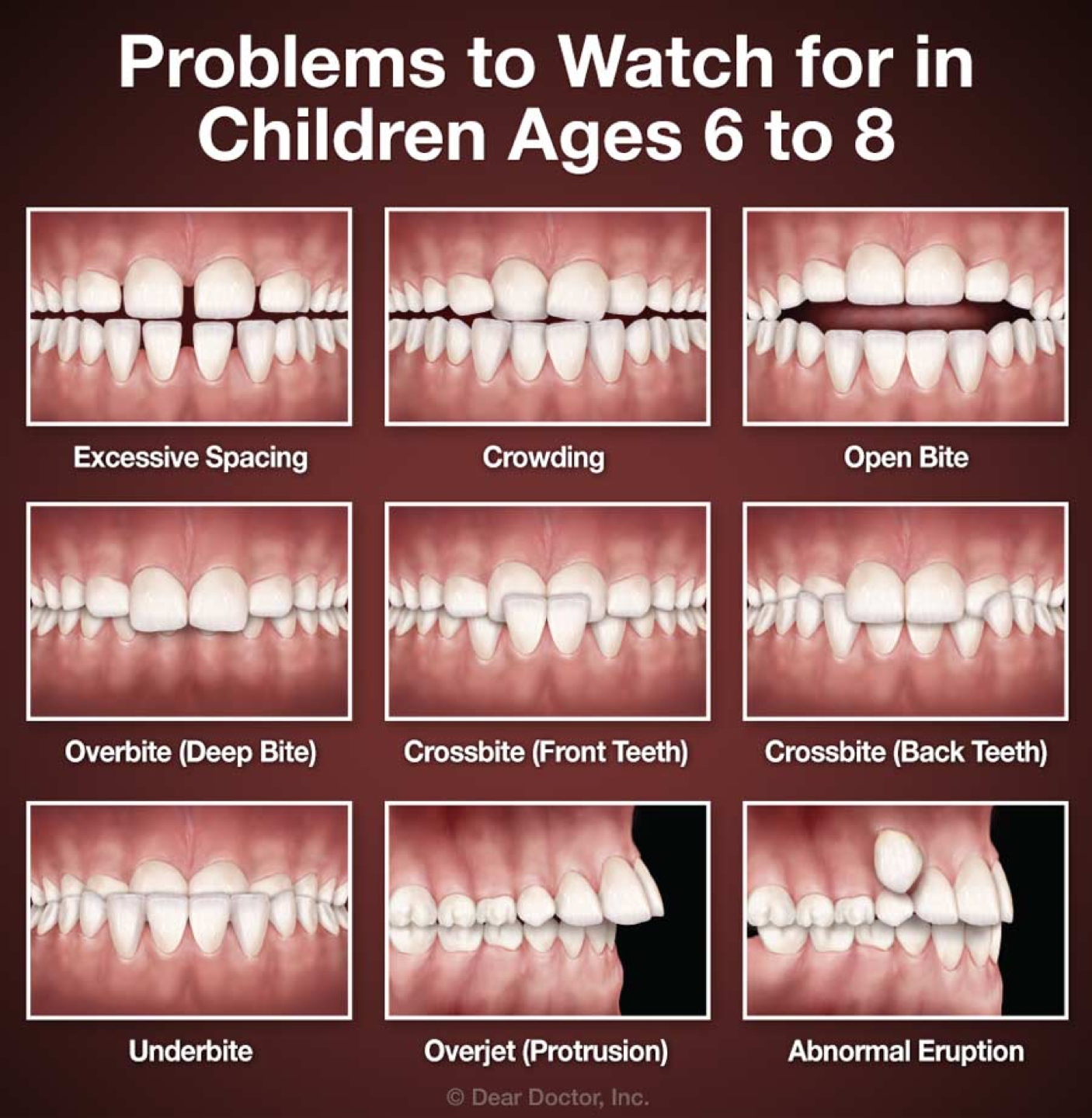
So which conditions benefit from early treatment? Every patient is different, and ultimately Dr. Jen will decide if early treatment is right based on a range of factors. However, crowded teeth in children, underbites, and crossbites are common orthodontic concerns that may benefit from early treatment. Additionally, we may recommend early treatment if your child has protruding front teeth, as these are at an increased risk of damage from trauma.
Depending on your child's orthodontic needs, early treatment may involve braces, palatal expanders, or Invisalign First for kids to help address developing alignment and bite concerns.
Phase 1 vs. Phase 2 Orthodontic Treatment
Early orthodontic treatment may involve two phases, depending on your child's dental development and individual needs. At Jenuine Smiles Orthodontics in Torrance, Dr. Jen evaluates your child's teeth, bite, and jaw growth to determine the most appropriate time to begin treatment.
Phase 1 Orthodontic Treatment
Phase 1 orthodontic treatment typically begins between ages 6 and 10, while children still have a combination of baby teeth and permanent teeth. This early phase focuses on addressing specific concerns, such as crowded teeth, crossbites, underbites, and jaw development issues. Treatment may include palatal expanders, limited braces, or other orthodontic appliances to help guide dental and jaw development.
Phase 2 Orthodontic Treatment
Phase 2 orthodontic treatment generally begins once most or all permanent teeth have erupted, often during the early teenage years. This phase focuses on aligning the permanent teeth, improving bite function, and creating a healthy, balanced smile. Depending on your child's needs, treatment may involve traditional braces or clear aligners.
Not every child needs both phases of orthodontic treatment. Some children benefit from early intervention, while others only need periodic monitoring until they are ready for comprehensive treatment. Dr. Jen will recommend a personalized approach based on your child's orthodontic needs.
How Early Orthodontic Care Addresses Oral Habits
In addition to malocclusions, we may also use early treatment to correct a number of bad habits some kids develop that can lead to orthodontic problems. In particular, there are 3 common habits that can lead to orthodontic problems and may warrant interceptive treatment:
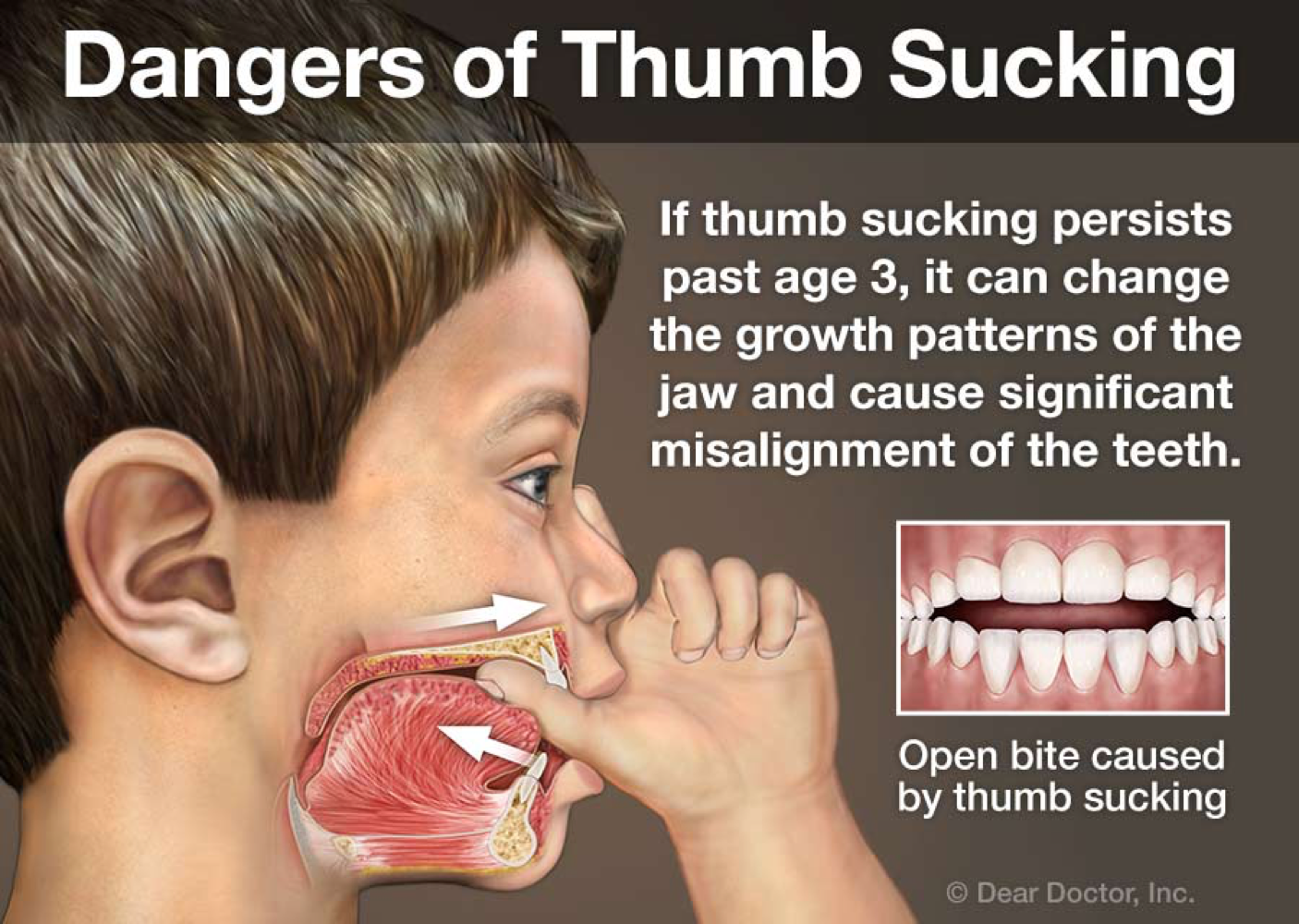
- Thumb Sucking: The sucking reflex is a natural instinct in humans, and for infants and babies, sucking on a thumb or finger is a harmless form of self-comfort. However, if thumb sucking continues past age 4, the pressure it puts on the upper and lower teeth can cause them to jut forward, creating a condition called openbite that impairs speech and bite function. If prolonged thumb sucking becomes a problem, we can use a simple orthodontic appliance to effortlessly, painlessly break the habit.
- Mouth Breathing: Another abnormal habit is mouth breathing, a breathing pattern where the child's mouth is constantly open, passing air straight to the lungs instead of going through the nose. Over time, mouth breathing can cause changes to the development of the musculature of the face and tongue, and it may even cause jaw problems. We offer a variety of options to help break the habit of mouth breathing.
- Tongue Thrusting: Finally, some children develop a habit where they push the tongue into the front teeth when they swallow. Over time, this pressure causes the teeth to learn forward, potentially leading to open bite. Similar to thumb sucking, we can break this habit easily and painlessly with an orthodontic appliance.
Early orthodontic treatment isn't necessary for every child, but in cases where it is needed, it can make a dramatic difference in the convenience and efficacy of your child's orthodontic care. And if you have more questions about early treatment or your child is nearing age 7 and needs an orthodontic evaluation, Jenuine Smiles Orthodontics is here to help. Contact us to learn more about early treatment or request your consultation online today. We can't wait to hear from you!
If you have questions about Early Treatment or Phase 1 Treatment , please contact our office at hello@jenuinesmiles.com or 310-543-2711.
Frequently Asked Questions About Early Orthodontic Treatment
When should my child first see an orthodontist?
Children should have their first orthodontic evaluation by age 7. At Jenuine Smiles Orthodontics in Torrance, Dr. Jen checks developing teeth and jaws to determine whether treatment or periodic monitoring is appropriate.
What problems can early orthodontic treatment correct?
Early orthodontic treatment may help address crossbites, underbites, severe crowding, narrow upper jaws, and protruding front teeth. Dr. Jen evaluates each child's growth and bite before recommending treatment.
What is Phase 1 orthodontic treatment?
Phase 1 is early orthodontic care provided while a child still has a mixture of baby and permanent teeth. It focuses on specific developing bite, jaw, or spacing problems and may involve expanders, limited braces, or clear aligners.
Does every child need Phase 1 orthodontic treatment?
No. Many children only need periodic monitoring until they are ready for treatment. Dr. Jen recommends early treatment when there is a specific concern that may benefit from intervention during growth.
What is the difference between Phase 1 and Phase 2 orthodontic treatment?
Phase 1 addresses selected problems during childhood, while Phase 2 typically focuses on comprehensive tooth alignment after more permanent teeth have erupted. Not every child needs both phases.
What appliances are used for early orthodontic treatment?
Depending on the child's needs, treatment may include palatal expanders, braces, Invisalign First, or space-maintaining appliances. Dr. Jen recommends the most appropriate option after an orthodontic evaluation.
Schedule Your Child's Orthodontic Evaluation in Torrance
Is your child approaching age 7, or have you noticed crowded teeth or bite concerns? Dr. Jen at Jenuine Smiles Orthodontics can evaluate your child's developing smile and help determine whether early orthodontic treatment or monitoring is the right next step.
Ready to take the next step? Schedule a free orthodontic consultation at our Torrance office, or contact our friendly team to learn more about your child's treatment options.