
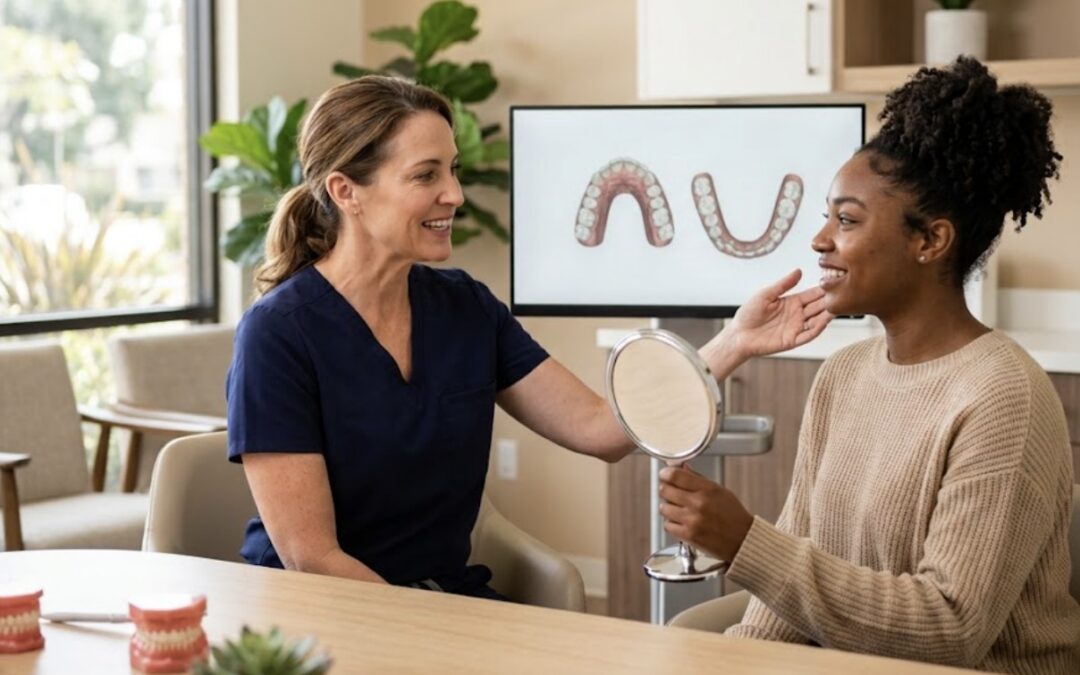
Teeth can shift, crowding can become harder to clean, and an uneven bite may feel more noticeable with time. Many adults also reach a point when they are ready to address concerns they have lived with for years.
Adult orthodontics offers several ways to improve tooth alignment, bite function, access for oral hygiene, and smile confidence. Treatment is not limited to teenagers, and today’s options include Invisalign clear aligners, metal braces, and clear ceramic braces.
At Jenuine Smiles Orthodontics in Torrance, Dr. Jen considers both the appearance of your smile and the health of your teeth, gums, and bite. Each treatment plan is based on your individual needs, dental history, lifestyle, and goals.
What You'll Learn From This Article
- Why adults may benefit from orthodontic treatment at different stages of life
- How straighter teeth can support brushing, flossing, chewing, and bite balance
- The differences between clear aligners, metal braces, and ceramic braces
- Which dental conditions may need attention before treatment begins
- Why retainers and long-term follow-up matter after teeth are straightened
Why More Adults Are Choosing Orthodontic Treatment
Adults seek orthodontic care for many different reasons. Some never had braces when they were younger. Others completed treatment years ago but noticed that their teeth moved after they stopped wearing a retainer.
Common reasons for visiting an orthodontist include:
- Crooked, crowded, or rotated teeth
- Spaces between teeth
- Teeth that have shifted after previous treatment
- An overbite, underbite, crossbite, or open bite
- Uneven tooth contact
- Difficulty brushing or flossing crowded areas
- Concerns about smile appearance
- The need to prepare for crowns, implants, or other dental work
There is no standard upper age limit for adult orthodontic treatment. Healthy teeth can often be moved at many ages. However, adult care requires close attention to gum health, bone support, existing restorations, missing teeth, and previous dental treatment.
A review of orthodontic and periodontal care explains that tooth movement must be planned carefully when gum disease, inflammation, or reduced bone support is present. Good oral hygiene and regular monitoring remain important throughout treatment.
Understanding why treatment may be appropriate is the first step. The next question is what adult orthodontics may actually improve.
Benefit 1: A Straighter, More Balanced Smile
The most visible benefit of orthodontic treatment is better tooth alignment. Braces or clear aligners may move teeth that are crowded, overlapping, rotated, protruding, or separated by unwanted spaces.
A balanced smile does not mean making every patient’s teeth look the same. Your orthodontist considers tooth shape, facial proportions, gumline, bite, and personal preferences when planning treatment.
Some adults can reach their goals with orthodontic care alone. Others may need treatment coordinated with a general dentist, periodontist, oral surgeon, or restorative dentist. For example, moving teeth may create the right amount of space for a future implant or crown.
Straightening teeth can improve appearance, but the position of your teeth also affects how easily you can care for them each day.
Benefit 2: Easier Brushing and Flossing
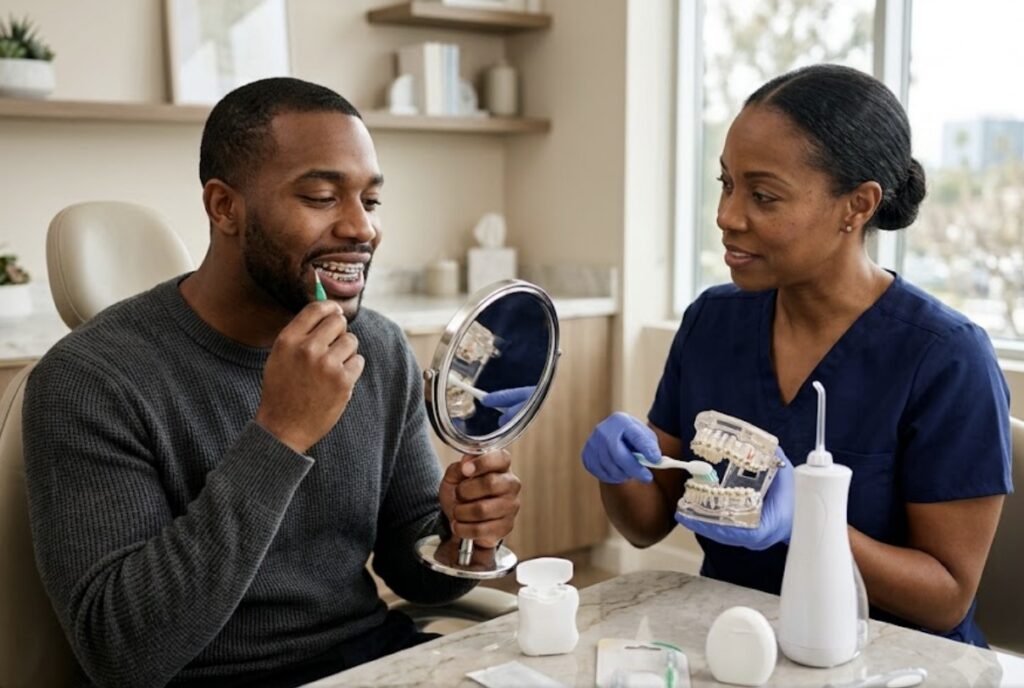
Crowded and overlapping teeth can create narrow spaces that are difficult to reach with a toothbrush or floss. Plaque and food may collect in these areas, especially near the gumline.
Moving crooked teeth into better positions may make daily cleaning more manageable. This does not mean orthodontic treatment prevents tooth decay or gum disease. Your home care habits and routine dental visits remain essential.
Braces and aligners also create their own cleaning responsibilities.
With metal or ceramic braces, you will need to brush around each bracket and beneath the wire. Interdental brushes, floss threaders, or a water flosser may help clean areas that standard floss cannot easily reach.
Clear aligners are removable, which allows you to brush and floss without brackets in the way. However, teeth should be cleaned before the trays are placed back in your mouth. Aligners also need regular cleaning to reduce odor and buildup.
Good oral hygiene is part of successful orthodontic care, not an optional extra.
Once teeth are easier to clean, attention can turn to another important issue: how the upper and lower teeth meet.
Benefit 3: Improved Bite Alignment
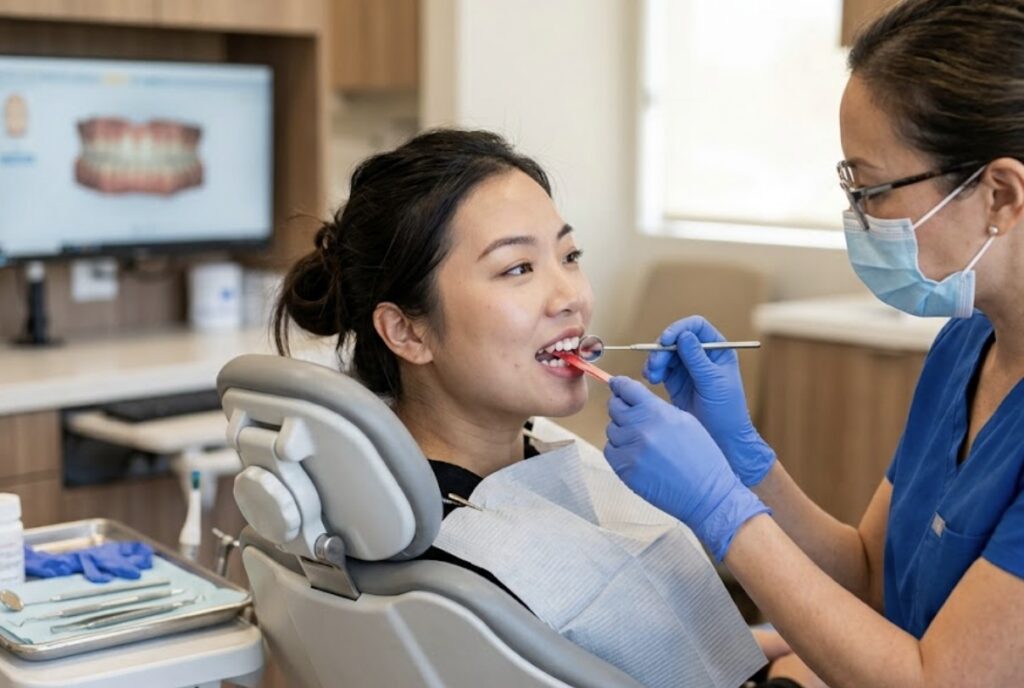
A healthy bite involves more than straight front teeth. The upper and lower teeth should meet in a way that supports comfortable biting, chewing, and jaw movement.
Adult orthodontic treatment may help correct:
- Overbite
- Underbite
- Crossbite
- Open bite
- Crowding that affects tooth contact
- Teeth that meet too early or unevenly
Your orthodontist must determine whether the concern comes mainly from tooth position, jaw development, or a combination of both.
Braces and clear aligners can treat many bite problems, but not every jaw difference can be corrected with orthodontics alone. Some severe skeletal concerns may require treatment from an oral surgeon as part of a coordinated plan.
Correcting the bite may also change how pressure is distributed when you eat.
Benefit 4: More Balanced Chewing Function
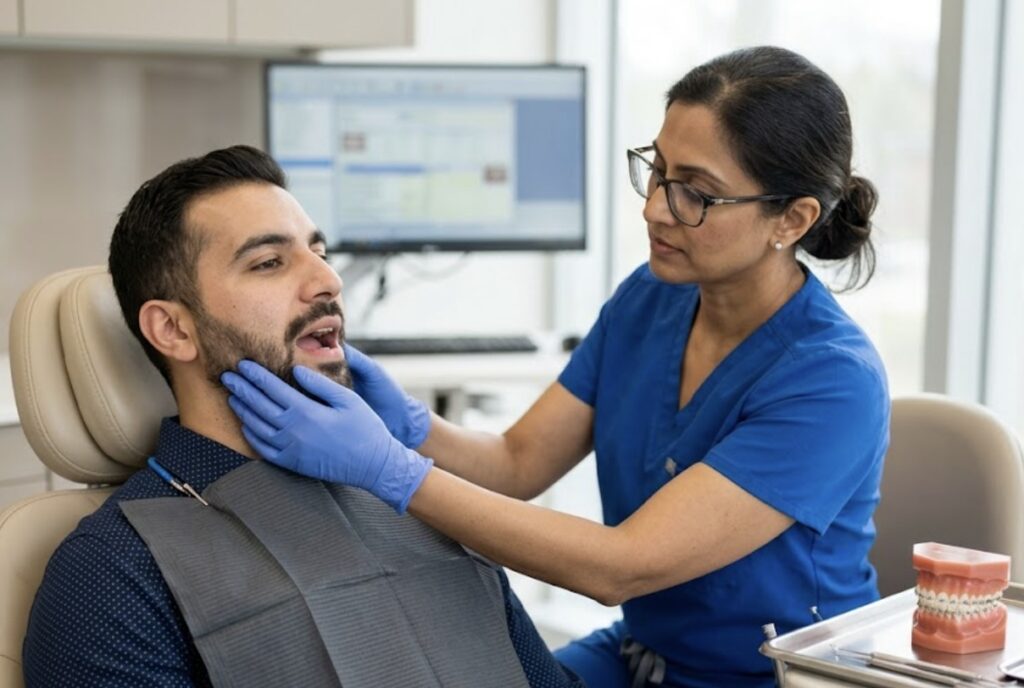
When only a few teeth absorb most of the force during chewing, those teeth may experience additional strain. Improving tooth alignment and bite contact can help spread pressure more evenly across the mouth.
Some adults notice that chewing feels more balanced after treatment. The amount of improvement depends on the cause of the problem and the complexity of the bite.
Orthodontic treatment should not be presented as a cure for every jaw symptom. Headaches, facial pain, clicking, and temporomandibular joint concerns can have several contributing factors, including muscle tension, stress, arthritis, habits, injury, and joint conditions.
Jenuine Smiles Orthodontics also evaluates TMJ-related concerns when appropriate. Dr. Jen can assess whether tooth alignment or bite function may play a role in your symptoms, but treatment recommendations depend on a full evaluation.
A better bite may also help reduce certain patterns of wear on the teeth.
Benefit 5: Reduced Sources of Uneven Tooth Wear
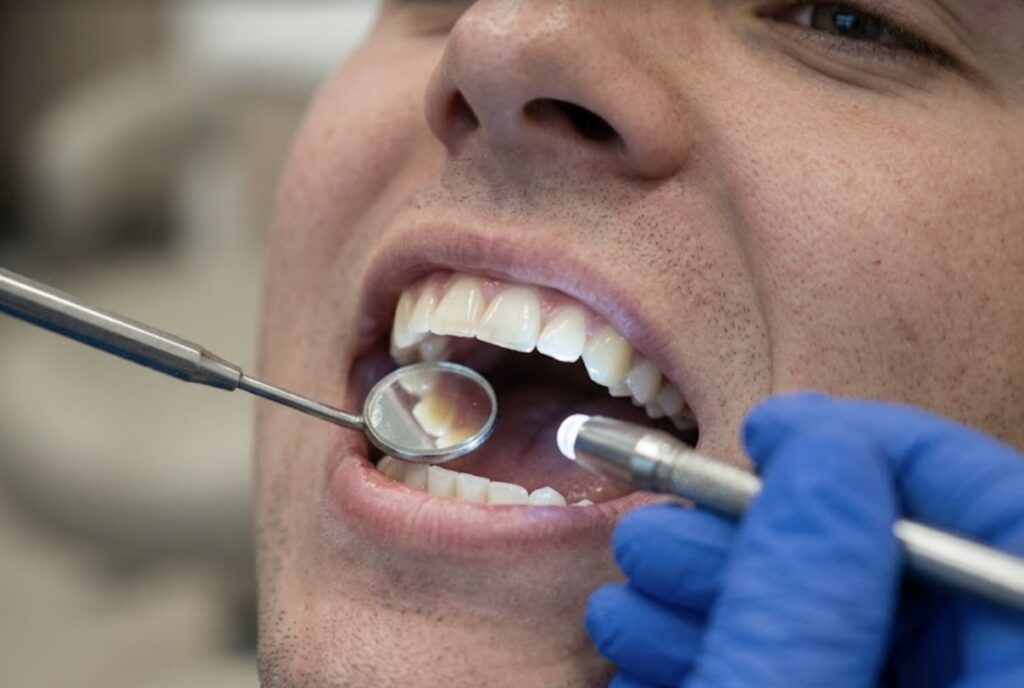
Some bite patterns cause individual teeth to contact sooner or more heavily than others. Over time, this may contribute to flattened edges, chipping, small cracks, or uneven enamel wear.
Orthodontic treatment may reposition teeth so that biting forces are distributed more evenly. This can reduce some sources of concentrated pressure, although it cannot restore enamel that has already been lost.
Existing chips, erosion, cracks, or shortened teeth may need restorative dental treatment after orthodontic movement is complete. Your orthodontist and dentist can coordinate the timing of bonding, crowns, implants, or other procedures.
Protecting tooth surfaces is important, but adult treatment planning must also account for the health of the gums and supporting bone.
Benefit 6: Better Conditions for Gum Care
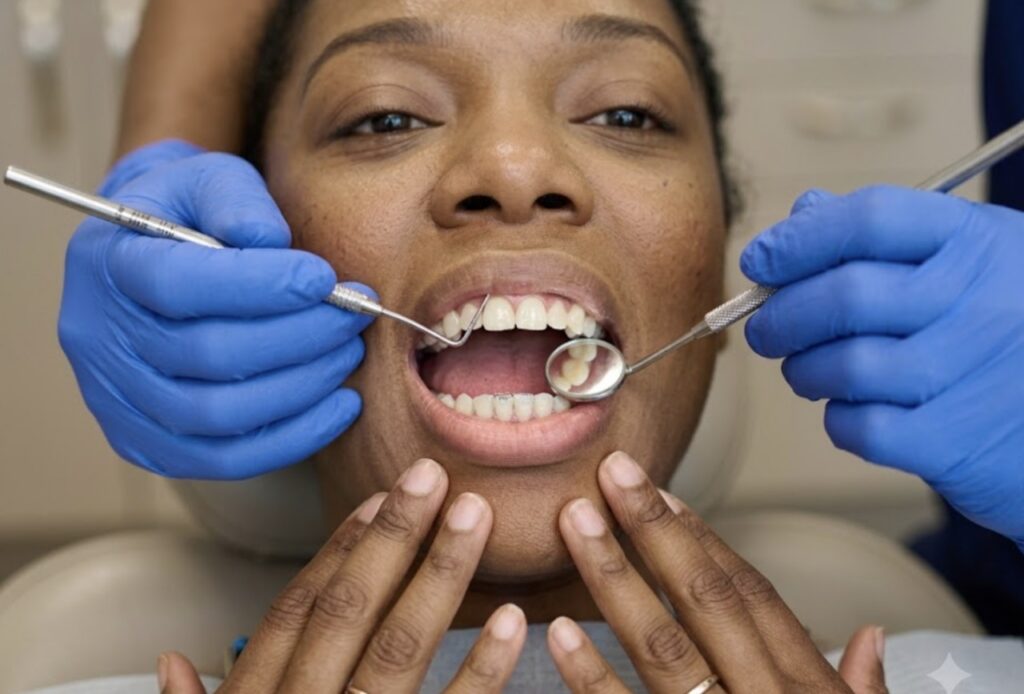
Straighter teeth may provide better access to certain gum lines and spaces between teeth. This can make brushing, flossing, and professional cleanings easier in some areas.
However, orthodontic appliances can also trap plaque when cleaning is inconsistent. Fixed braces require careful attention around brackets and wires. Clear aligners must be removed and cleaned regularly, and teeth should not remain coated with food or sugary drinks beneath the trays.
Active gum disease usually needs to be treated before orthodontic tooth movement begins. Adults with a history of periodontal disease may need more frequent cleanings and closer communication between their orthodontist, dentist, and periodontist.
One study exploring patient views after orthodontic care found that some participants believed straighter teeth made cleaning easier and supported their long-term dental health. These responses reflect patient experiences rather than proof that orthodontics prevents cavities or gum disease.
Oral health is one reason adults consider treatment. How they feel about their smile can matter as well.
Benefit 7: Greater Comfort With Your Smile

Crowded, protruding, rotated, or widely spaced teeth can affect how comfortable some adults feel when smiling, speaking, or appearing in photographs.
You may cover your mouth when you laugh, avoid showing your teeth in pictures, or feel distracted by your smile during conversations. Orthodontic care may help reduce those concerns by improving alignment.
That benefit is personal. Straighter teeth do not determine attractiveness, confidence, or success. Treatment should be based on your own goals rather than pressure from other people or unrealistic beauty standards.
A thoughtful orthodontic plan can address a specific concern while keeping your natural features and preferences in mind.
For some adults, feeling better about their smile may also influence everyday social comfort.
Benefit 8: Possible Improvements in Smile-Related Quality of Life

Dental appearance can affect how some people feel in social, personal, and professional settings. Feeling dissatisfied with the position of your teeth may influence photographs, conversations, presentations, or other situations where your smile is visible.
Research evaluating orthodontic intervention reported changes in measures related to body image, mental health, and social functioning after treatment. These findings should be interpreted carefully because emotional well-being depends on many factors, and orthodontics is not a mental health treatment.
A realistic expectation is that straightening teeth may reduce one source of self-consciousness. It should not be expected to solve unrelated emotional, social, or personal concerns.
Adults who decide to move forward also have more appliance choices than many patients had in the past.
Benefit 9: Treatment Options for Different Needs and Lifestyles

Adult orthodontic treatment is not limited to traditional braces. The best option depends on your bite, tooth movement needs, oral health, routine, and ability to follow treatment instructions.
| Treatment option | Possible advantages | Important considerations |
| Invisalign clear aligners | Removable, less noticeable, and easier access for brushing and flossing | Must be worn consistently, may require attachments or elastics, not suitable for every case |
| Metal braces | Continuous tooth movement, precise control, and useful for complex concerns | More visible; they require careful cleaning and food precautions |
| Clear ceramic braces | Less noticeable than metal brackets, fixed to the teeth, and useful for many movements | May cost more, can be more fragile, and require good oral hygiene |
| Lingual braces | Attached behind the teeth and hidden from the front. | Not offered by every practice, may affect speech at first, not appropriate for all bites |
Invisalign Clear Aligners
Invisalign uses a series of removable trays to gradually move teeth. The trays are less noticeable than traditional braces and can be removed for meals, brushing, and flossing.
Treatment requires discipline. Aligners must be worn for the recommended number of hours each day. Some patients also need tooth-colored attachments or elastics to achieve specific movements.
Metal Braces
Metal braces use brackets and wires to guide the teeth. They work continuously and do not depend on remembering to wear removable trays.
They can be a strong option for complex tooth movement, but they are visible and require careful cleaning around each bracket.
Clear Ceramic Braces
Ceramic braces work much like metal braces but use clear or tooth colored brackets. They may appeal to adults who want a fixed appliance that is less noticeable.
Ceramic brackets can be more fragile than metal ones and may require additional care. Suitability varies by bite and treatment goals.
Lingual Braces
Lingual braces are attached to the back surfaces of the teeth. They are less visible from the front, are not offered by every orthodontist, and may not be suitable for every case.
Choosing the appliance is important, but the quality of the treatment plan matters even more.
Benefit 10: A Treatment Plan Designed Around You
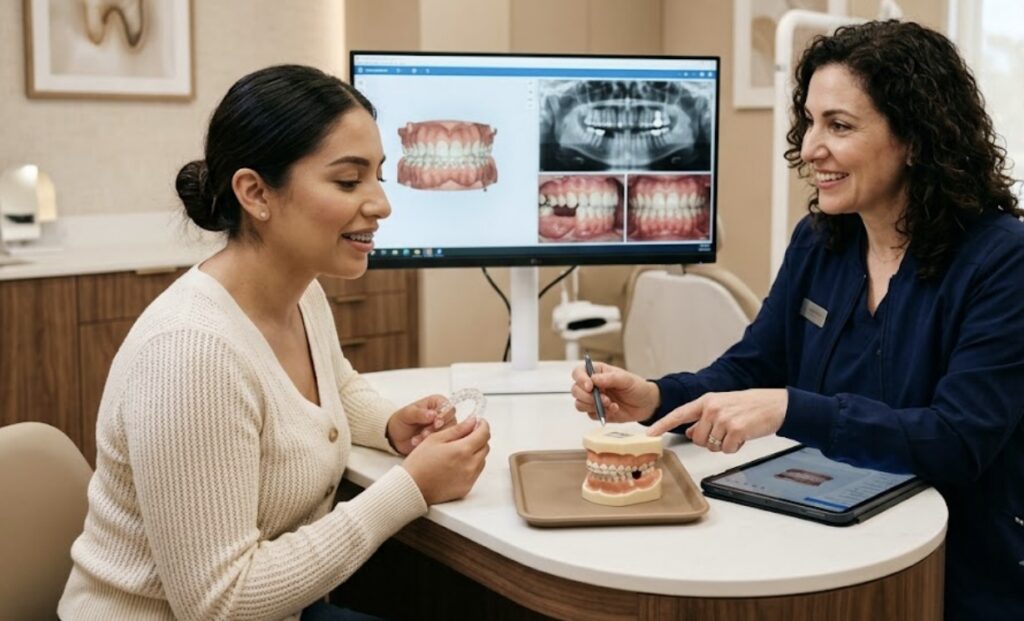
Adult orthodontic care should begin with an examination, not with selecting braces or aligners from a list.
During your consultation, the orthodontist may assess:
- Tooth alignment and spacing
- The way your upper and lower teeth meet
- Gum and bone health
- Existing fillings, crowns, bridges, veneers, or implants
- Missing teeth
- Jaw relationships
- Previous orthodontic treatment
- Oral hygiene habits
- Your goals, schedule, and treatment preferences
At Jenuine Smiles Orthodontics, Dr. Jen personally oversees care from the first consultation through treatment completion. This continuity allows her to track your progress, adjust the plan as needed, and maintain consistent communication.
The practice also considers function, appearance, comfort, and overall oral health when recommending treatment options.
Once your plan is established, understanding each stage of treatment can help you prepare for the process.
What to Expect During Adult Orthodontic Treatment
Adult orthodontic treatment varies from person to person, but most patients follow a similar sequence.
Consultation and Diagnostic Records
Your first visit focuses on your concerns, goals, dental history, and bite. The orthodontist may recommend digital scans, photographs, and X-rays to evaluate your teeth, roots, bone, and jaw relationships.
These records help determine which treatment options are appropriate and whether other dental care is needed first.
Dental or Periodontal Treatment
Untreated tooth decay, active gum disease, or damaged teeth may need attention before orthodontic treatment begins.
Your orthodontist may communicate with your general dentist, periodontist, oral surgeon, or restorative provider. This is especially important when implants, missing teeth, crowns, or planned dental work affect tooth movement.
Active Tooth Movement
Braces use brackets and wires to guide teeth into new positions. Clear aligners use a planned series of removable trays.
Both methods apply controlled pressure. The speed and extent of movement vary based on the bite, tooth position, bone support, treatment method, and patient cooperation.
Monitoring Appointments
Regular visits allow the orthodontist to check progress, adjust wires, provide new aligners, and monitor the teeth and gums.
Appointment intervals vary. Missing visits or failing to follow wear instructions can affect the treatment timeline.
Retention After Treatment
Teeth can shift after braces or aligners are removed. A retainer helps hold them in their new positions while the surrounding tissues adjust.
Some patients need removable retainers, fixed retainers, or a combination of both. Long-term wear is often recommended because tooth movement can continue throughout life.
Knowing the process is useful, but not every adult should start treatment immediately.
Who May Need Additional Evaluation Before Treatment?
Many adults can receive orthodontic care, but certain conditions require closer review.
These may include:
- Active gum disease
- Significant bone loss
- Untreated tooth decay
- Loose or severely damaged teeth
- Missing teeth
- Dental implants
- Extensive crowns, bridges, or veneers
- Severe jaw differences
- Poor plaque control
- Chronic dry mouth
- Smoking or other periodontal risk factors
- Expectations that orthodontics cannot reasonably meet
Dental implants require special planning because they do not move like natural teeth. Crowns can often move with the underlying tooth, but their condition and shape still need to be evaluated.
These concerns do not always prevent treatment. They may change the order of care, the selected appliance, the treatment goals, or the required level of monitoring.
A complete evaluation helps determine what can be done safely and which orthodontist is the right fit for your care.
Choosing an Orthodontist for Adult Orthodontics in Torrance
A consultation gives you a chance to understand the treatment plan and the patient experience before making a decision.
Consider asking:
- Which treatment options are appropriate for my bite?
- Can clear aligners achieve the movements I need?
- Would braces provide better control in my case?
- Is my gum health stable enough for treatment?
- Will my dentist or another specialist need to participate?
- How often will I need appointments?
- What will I need to do at home?
- How long might treatment take?
- What type of retainer will I need?
- Who will oversee my care during treatment?
Jenuine Smiles Orthodontics provides personalized care for children, teens, and adults in Torrance. Dr. Jen offers Invisalign clear aligners, metal braces, clear braces, TMJ treatment and other orthodontic services, with an emphasis on comfort, function, and oral health.
The next step is not committing to a specific appliance. It is finding out what your teeth and bite actually need.
Adult Orthodontics Can Support More Than a Straighter Smile
Adult orthodontics may provide several meaningful benefits:
- Straighter tooth alignment
- Easier access for brushing and flossing
- Better bite relationships
- More balanced chewing
- Reduced sources of uneven tooth wear
- Better conditions for gum care
- Greater comfort with your smile
- Possible improvements in smile-related quality of life
- Several treatment options
- A personalized plan based on your needs
The outcome depends on your diagnosis, oral health, treatment choice, and participation throughout care. A consultation is the most reliable way to learn which benefits may apply to you.
The questions below address several common concerns adults have before scheduling an orthodontic evaluation.
Frequently Asked Questions About Adult Orthodontics in Torrance
1. Is there an age limit for adult orthodontics?
There is no fixed upper age limit. The health of your teeth, gums, and supporting bone matters more than your age. Some adults need dental or periodontal treatment before orthodontic care begins.
2. Are clear aligners as effective as braces for adults?
Clear aligners can treat many alignment and bite concerns, but they are not suitable for every case. Metal or ceramic braces may provide better control for certain complex movements. Aligners also depend on consistent daily wear.
3. How long does adult orthodontic treatment take?
Treatment time varies based on your bite, crowding, spacing, gum health, appliance, and cooperation. Your orthodontist can provide a more useful estimate after completing an examination and reviewing your diagnostic records.
4. Can I receive adult orthodontics if I have gum disease, crowns, or implants?
Possibly. Active gum disease usually needs to be controlled before tooth movement begins. Crowns can often move with natural teeth, while dental implants cannot. Your orthodontist may need to coordinate care with your dentist or periodontist.
5. Will I need a retainer after braces or Invisalign?
Most orthodontic patients need a retainer after active treatment. Teeth can shift over time, even after a good result. Wearing your retainer as directed helps maintain your alignment.
Schedule an Adult Orthodontic Consultation in Torrance
Considering braces or Invisalign does not mean you need to decide on treatment right away. A consultation can help you understand your bite, compare suitable treatment options, and ask questions about cost, timing, oral hygiene, and retention.
Jenuine Smiles Orthodontics offers complimentary consultations for adults in Torrance. Dr. Jen can evaluate your teeth and discuss a treatment plan designed around your oral health, lifestyle, and goals.
When you are ready to learn what adult orthodontics may offer your smile, the Jenuine Smiles team is here to help you take the next step.