
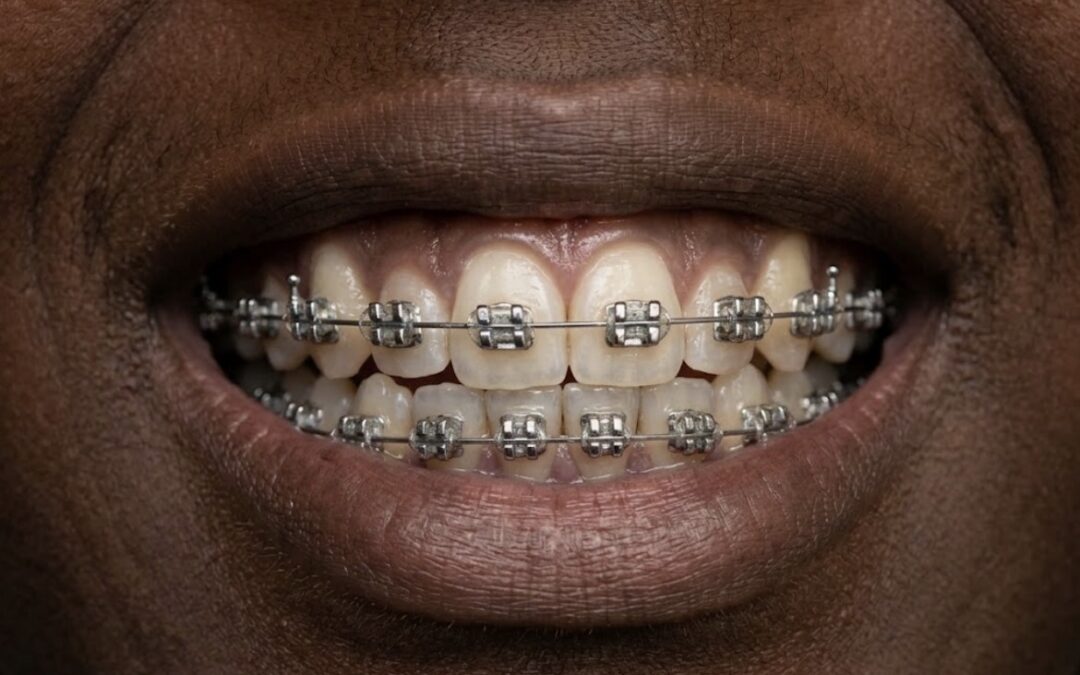
Getting braces often brings up practical questions before treatment even starts. Will they hurt? What foods will you need to avoid? How much extra cleaning will your teeth need? How often will you see your orthodontist? And how long will the entire process take?
For patients considering metal braces in Torrance, understanding what happens at each stage can make treatment feel much more manageable. Traditional metal braces use brackets and wires to guide teeth into planned positions over time. At Jenuine Smiles Orthodontics, Dr. Jen also looks beyond appearance by considering your bite, oral health, dental function, and individual treatment goals.
Knowing what to expect before, during, and after treatment can help you prepare for braces with realistic expectations.
What You'll Learn From This Article
- How traditional metal braces move teeth
- What happens during an orthodontic consultation
- What braces placement and the first few days may feel like
- How eating and oral hygiene change during treatment
- What happens during braces adjustments and progress visits
- How metal braces compare with ceramic braces and clear aligners
- What can affect treatment length and cost
How Do Metal Braces Work?
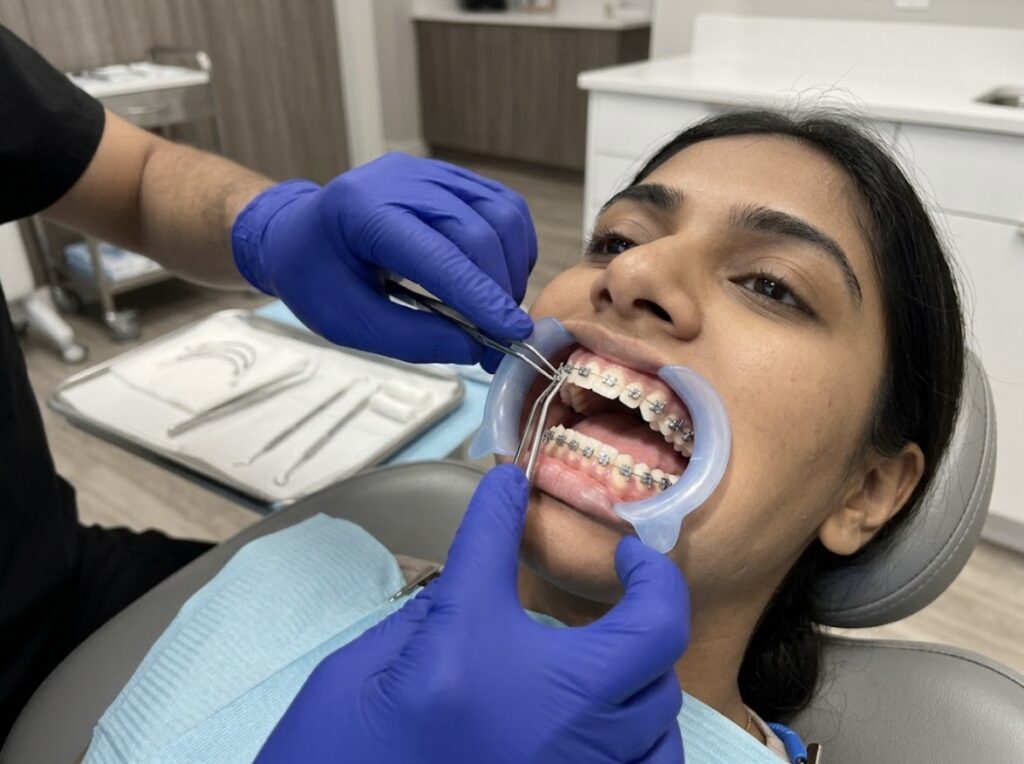
Metal braces are fixed orthodontic appliances. Once the brackets are bonded to your teeth, they remain in place throughout active treatment. This allows your orthodontist to apply and adjust controlled forces over time.
A metal bracket attaches to each selected tooth. An archwire passes through the brackets and helps guide the teeth toward their planned positions. Depending on your bite and treatment goals, your orthodontist may also use elastics, springs, or other components.
Traditional metal brackets are commonly made from stainless steel. Modern versions are generally smaller and more comfortable than the braces many adults remember from years ago.
Braces work by applying controlled pressure to the teeth. That force produces changes in the tissues and bone that support each tooth, allowing the teeth to move gradually. Orthodontic treatment takes time because these biological changes need to occur in a controlled way.
Metal braces may be used to address concerns such as:
- Crooked teeth
- Crowding
- Gaps between teeth
- Certain overbites and underbites
- Crossbites
- Other alignment or bite concerns
The brackets themselves are only one part of the process. Their placement, wire sequence, and any elastics used during treatment all depend on the movements your orthodontist plans.
At Jenuine Smiles Orthodontics, Dr. Jen considers both how your teeth look and how your bite functions. That treatment planning begins before any brackets and wires are placed.
What Happens Before You Get Metal Braces?
Orthodontic treatment starts with an evaluation, not simply selecting an appliance.
During your consultation, Dr. Jen examines your teeth and bite, discusses your concerns, and considers which treatment options best fit your needs.
Your Orthodontic Consultation
Your evaluation may include a review of:
- Tooth alignment
- Crowding or spacing
- How your upper and lower teeth fit together
- Jaw and dental development when relevant
- Oral health
- Treatment goals
- Preferences for different types of braces
Children, teens, and adults can all be candidates for orthodontic treatment. Age alone does not determine whether metal braces are appropriate.
Your oral health also matters. Brackets and wires create additional areas where food and plaque can collect, so healthy brushing and flossing habits become especially important once treatment begins.
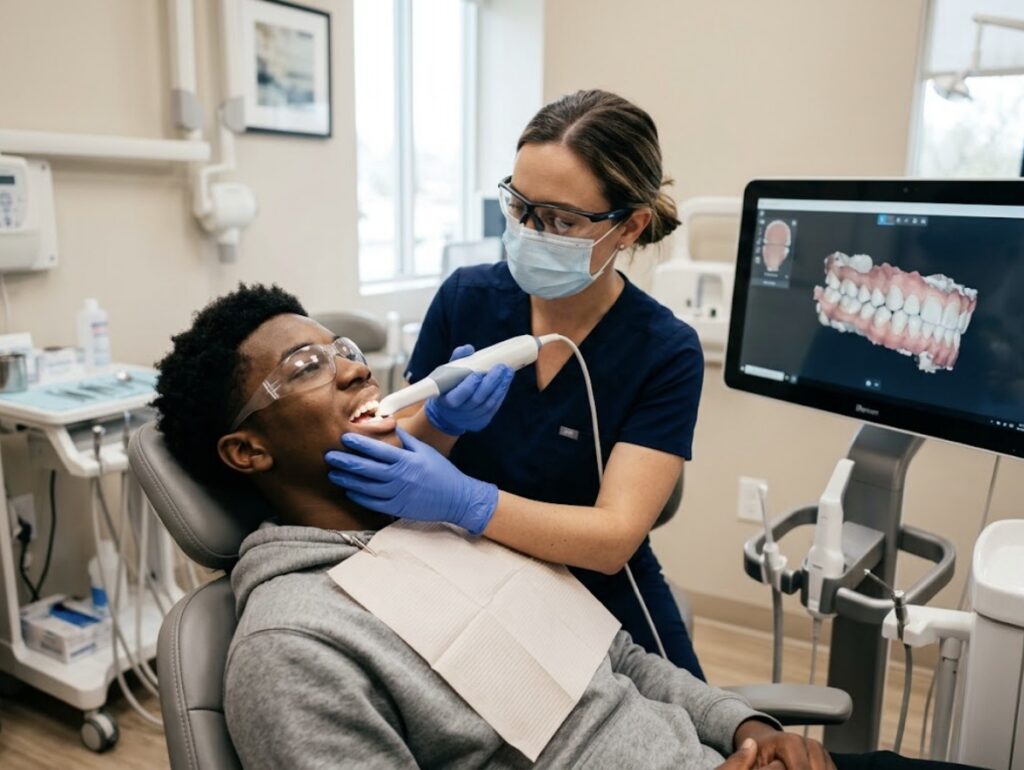
Digital Scanning and Treatment Planning
Jenuine Smiles uses 3D scanning to capture detailed information about your teeth and bite. In many situations, digital scans can replace traditional impression trays.
Your orthodontic records may also include photographs and dental imaging when clinically appropriate. These records help Dr. Jen plan tooth movement, evaluate your bite, and monitor changes over time.
Your consultation is also a good time to ask about ceramic braces, clear aligners, treatment time, cost, and what daily life with braces may involve.
Once your treatment plan is established, the next step is placing the brackets and beginning active tooth movement.
What Should You Expect When Metal Braces Are Put On?
Brace placement is often easier to understand once you know the basic process.
The orthodontic team prepares the teeth and bonds the brackets in specific positions. An archwire then connects the brackets. Additional components may be added depending on the treatment plan.
Not every patient receives the same setup. Bracket positions, wire selection, and the use of elastics depend on the teeth and bite changes your orthodontist is working toward.
Do Metal Braces Hurt?
Some soreness or tenderness can occur after placing braces.
Your teeth may feel sensitive to pressure as they start responding to orthodontic force. Your lips and cheeks may also need time to adjust to the brackets.
A published clinical study compared pain levels in patients treated with conventional metal brackets and ceramic brackets. The study followed 40 patients and found that discomfort increased early after appliance placement, with pain generally decreasing over the following days. Because the study was small and involved specific bracket systems, it should not be used to predict exactly how every patient will feel.
During the first few days, softer foods may be more comfortable. Orthodontic wax can also help if a bracket rubs against the inside of your cheek or lip.
Contact your orthodontist if pain becomes severe, continues to worsen, or feels different from the soreness you were told to expect.
The early adjustment period is only one part of the experience. As treatment continues, daily eating and cleaning habits usually take priority.
How Does Daily Life Change With Metal Braces?

Metal braces usually don't prevent you from working, attending school, exercising, or doing most regular activities. They do require some changes in how you eat and care for your teeth.
A systematic review on oral health-related quality of life during fixed orthodontic treatment found that braces can temporarily affect discomfort, eating, oral function, and social well-being. The review also noted that these effects may change as patients adapt to treatment. Individual experiences differ, so these findings describe general patterns rather than what every patient should expect.
Eating With Braces
Hard, sticky, and very crunchy foods can damage brackets or bend wires. Your orthodontic team may recommend avoiding certain foods or changing how you eat them.
For example, firmer foods such as apples or carrots may be easier on your braces when cut into smaller pieces rather than bitten into directly.
Sticky candy and similar foods may pull on brackets, while very hard foods can place unnecessary pressure on the appliance.
Your teeth may also feel tender after certain adjustments. During those periods, softer foods may be more comfortable.
Protecting your brackets reduces the chance of unexpected repairs and helps keep treatment on track.
Brushing and Flossing Around Metal Brackets
Good oral hygiene requires extra attention when you wear braces.
Food and plaque can collect around the brackets, beneath the archwire, between teeth, and close to the gumline. Careful brushing and cleaning between teeth become an important part of your daily routine.
Helpful tools may include:
- A soft toothbrush and fluoride toothpaste
- Orthodontic flossers or floss threaders
- Interdental brushes
- A water flosser when recommended by your dental or orthodontic provider
A study of 222 adolescents and young adults receiving fixed orthodontic treatment found that oral hygiene was among the areas patients reported as being affected during treatment. The study involved a specific patient population in India, so the findings should not be treated as a direct prediction for every patient in Torrance. They do, however, support the importance of establishing a consistent cleaning routine while wearing fixed braces.
Regular dental visits also remain important. Your orthodontist manages tooth movement and bite correction, while your general dentist continues to monitor your overall dental health.
Can You Play Sports With Braces?
In many cases, yes.
If you play a sport where the mouth or face could be hit, ask your orthodontist about an orthodontic mouthguard that fits over brackets and wires.
A suitable mouthguard can help protect your lips, cheeks, teeth, and appliance.
If a bracket becomes loose or a wire moves out of place, contact your orthodontic office for guidance instead of trying to make a major repair at home.
Once these daily habits become familiar, routine orthodontic visits become the next major part of treatment.
What Happens During Metal Braces Treatment?
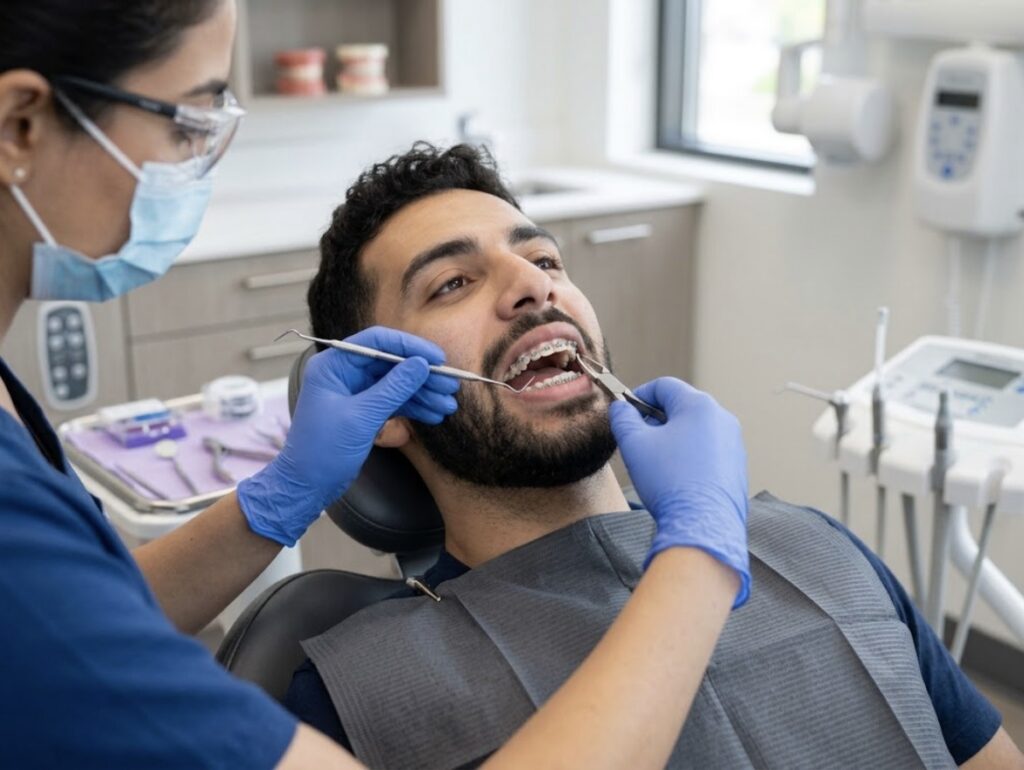
Putting braces on is only the beginning. Your orthodontist needs to monitor how your teeth respond and make adjustments as treatment progresses.
At follow-up visits, Dr. Jen can evaluate tooth movement, check your bite, inspect the brackets and wires, and decide what happens next.
Braces Adjustments and Elastics
Your archwire may be adjusted or replaced at different stages of treatment.
Some patients also need elastics that connect portions of the upper and lower braces. These elastics can help guide certain bite changes.
If your orthodontist gives you instructions for wearing elastics, consistency matters. Wearing them less often than prescribed can interfere with planned tooth movement and may affect treatment timing.
Progress visits also give you an opportunity to discuss soreness, cleaning difficulties, broken brackets, or other concerns.
How Long Do Metal Braces Stay On?
No single treatment timeline applies to everyone.
Your treatment length may depend on:
- Your starting tooth positions
- The type and complexity of your bite
- How much the teeth need to move
- Growth and dental development
- Attendance at scheduled appointments
- Broken brackets or damaged wires
- How consistently prescribed elastics are worn
- Your individual biological response to orthodontic forces
A simple alignment concern may take less time than a more complex bite correction.
Your orthodontist can give you a more useful estimate after evaluating your teeth and developing a complete treatment plan.
What Happens After Braces Come Off?
Removing your brackets is a major milestone, but it is not the last step.
Teeth can shift after active orthodontic treatment. Retainers help hold them in their corrected positions while the surrounding tissues adapt.
Dr. Jen will recommend a retainer plan based on your specific needs.
Jenuine Smiles also offers a Smile Assurance Program that includes 3D printed models and retainer replacement support for eligible patients and their immediate family.
Understanding retention matters because every orthodontic treatment plan needs a strategy to maintain new tooth positions after active movement ends.
Metal Braces vs Ceramic Braces vs Clear Aligners

Metal braces are not the only orthodontic option. Ceramic braces and clear aligners can also be appropriate, depending on your diagnosis, treatment needs, and preferences.
The main differences involve visibility, removability, daily care, and how much responsibility falls on the patient.
| Consideration | Metal Braces | Ceramic Braces | Clear Aligners |
| Appearance | Most noticeable | Less noticeable | Very discreet |
| Appliance type | Fixed | Fixed | Removable |
| Brackets | Stainless steel | Clear or tooth colored | No brackets |
| Eating | Food precautions needed | Food precautions needed | Removed for meals |
| Cleaning | Clean around brackets and wires | Clean around brackets and wires | Removed for brushing |
| Wear responsibility | Remains attached | Remains attached | Requires consistent wear |
| Suitability | Depends on diagnosis | Depends on diagnosis | Depends on diagnosis |
Metal Braces vs Ceramic Braces
Ceramic braces, sometimes called clear braces, work similarly to traditional metal braces. Both use brackets and wires to move teeth.
The main visual difference is the bracket material. Ceramic brackets are clear or tooth colored, while traditional braces use visible metal brackets.
Some patients prefer ceramic braces because they are less noticeable. Clinical needs, bracket characteristics, treatment goals, and personal preferences may all influence the decision.
Neither option is automatically better for every patient.
Metal Braces vs Clear Aligners
Clear aligners such as Invisalign use a series of removable trays instead of brackets and wires.
You remove aligners to eat, brush, and floss, then put them back in according to your prescribed wear schedule.
Metal braces stay attached to your teeth throughout active treatment, so you don't need to remember to replace an appliance after meals.
Clear aligners may be appropriate for many orthodontic concerns, but they still require consistent daily wear. The type of tooth movement needed can also influence which appliance your orthodontist recommends.
Jenuine Smiles offers metal braces, clear braces, and Invisalign clear aligners. Dr. Jen can compare these options based on your teeth, bite, lifestyle, and treatment goals.
Once the treatment option is clear, cost and financing often become the next practical questions.
What Do Metal Braces Cost in Torrance?
The cost of metal braces varies because orthodontic treatment includes more than the stainless steel brackets.
Factors that may influence cost include:
- The complexity of your orthodontic needs
- Expected treatment length
- The appliance used
- Insurance benefits
- Other components of your treatment plan
Metal braces may be a cost-effective option for some patients, but comparing treatments based only on appliance price doesn't tell the whole story.
Orthodontic care also includes diagnosis, treatment planning, regular progress visits, adjustments, professional supervision, and retention.
Jenuine Smiles offers flexible monthly payment options with adjustable payment periods. During your complimentary consultation, the team can discuss expected treatment costs and available financing based on your individual plan.
The Torrance office is located in the Torrance Civic Plaza and Medical Center, near Del Amo Fashion Center, making routine orthodontic visits convenient for local patients and families.
With the treatment process and practical details covered, a few common questions can help clarify what to expect.
Frequently Asked Questions About Metal Braces
1. Are metal braces painful?
Some temporary soreness or pressure can occur after braces are placed and after certain adjustments. The intensity and duration vary from person to person.
Softer foods may feel more comfortable during periods of tenderness, and orthodontic wax can help reduce irritation from brackets.
Contact your orthodontist if pain becomes severe, worsens, or feels unusual.
How long do you usually need metal braces?
Treatment time depends on your tooth position, bite, required movements, age and development (when relevant), appointment attendance, appliance care, and other individual factors.
Your orthodontist can provide a more specific estimate after completing your evaluation and treatment plan.
2. Are metal braces better than ceramic braces?
Neither option is better for everyone.
Metal and ceramic braces are both fixed orthodontic appliances that use brackets and wires to move teeth.
Metal braces use stainless steel brackets, while ceramic braces use clear or tooth colored brackets. Your orthodontist can help you compare them based on your treatment needs and preferences.
3. Can adults get metal braces?
Yes. Adults may be candidates for metal braces when fixed orthodontic treatment fits their teeth, bite, and oral health.
Jenuine Smiles provides orthodontic care for adults as well as children and teens.
4. How do I know if metal braces or clear aligners are right for me?
The best way to compare the options is through an orthodontic evaluation.
Your tooth positions, bite, oral health, required movements, lifestyle, and treatment preferences can all influence the recommendation.
Clear aligners are removable and require consistent wear, while metal braces stay in place throughout treatment.
What to Expect From Metal Braces in Torrance
Metal braces use brackets and wires to gradually guide teeth into planned positions. Treatment begins with a detailed orthodontic evaluation, continues through placement and regular progress visits, and ends with a retention plan designed to help maintain the new tooth positions.
Some temporary soreness, food changes, and extra oral hygiene are common parts of treatment. Your timeline and day-to-day experience will depend on your teeth, bite, treatment plan, and how you respond.
At Jenuine Smiles Orthodontics, Dr. Jen considers more than straight teeth when developing your treatment plan. Bite function, oral health, smile appearance, and your personal needs all play a role.
If you are considering metal braces in Torrance, a complimentary consultation with Dr. Jen can help you understand your treatment options, expected timeline, daily care, and financial choices. You can compare traditional metal braces with ceramic braces and clear aligners, ask questions, and make an informed decision about your orthodontic care.