
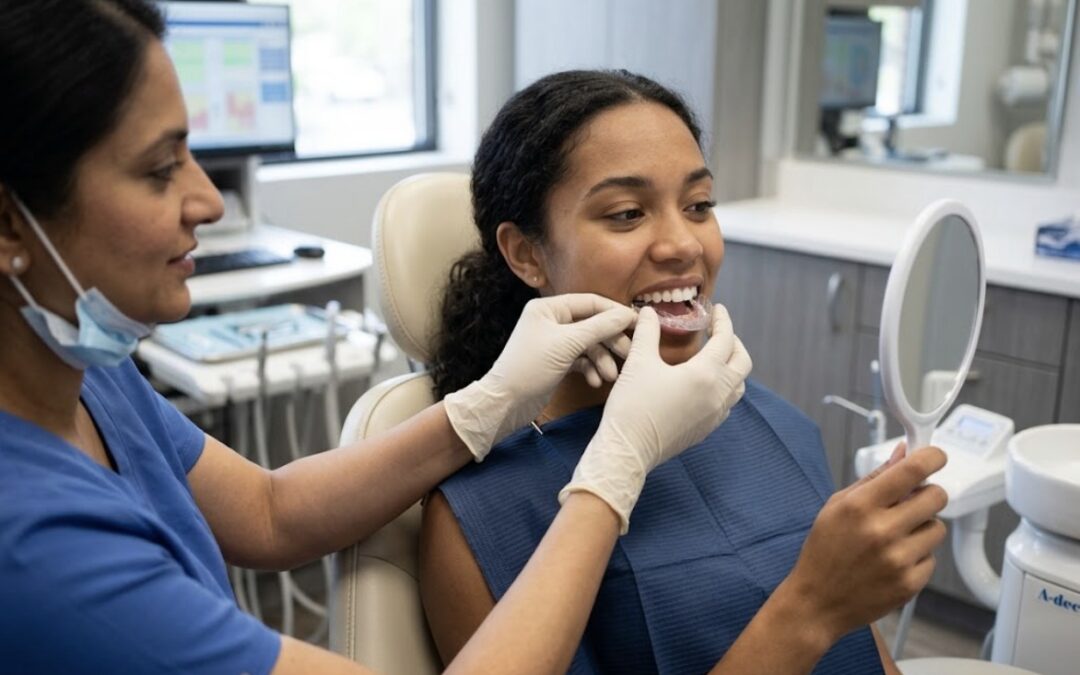
Getting your braces off is a big moment. After months or years of appointments, adjustments, and careful cleaning, seeing your teeth without brackets can feel like the finish line.
One important part of treatment remains: retention.
Retainers after braces help support the positions created during orthodontic treatment while the bone and tissues around your teeth adjust. Teeth can also continue to move throughout life, so wearing a retainer isn't just an extra step after braces. It helps maintain the smile you worked for.
At Jenuine Smiles Orthodontics in Torrance, Dr. Jen helps kids, teens, and adults understand what comes next after braces or clear aligner treatment. Your exact retainer plan depends on your teeth, bite, treatment history, and other individual factors, but a few simple habits can make the process much easier to manage.
What You'll Learn From This Article
- Why teeth can shift after orthodontic treatment
- How often you may need to wear your retainer
- The differences between clear, Hawley, and fixed retainers
- How to clean and protect your retainer
- What to do if your retainer feels tight, breaks, or gets lost
- Why long-term retention matters after braces
Why Retainers Matter After Your Braces Come Off
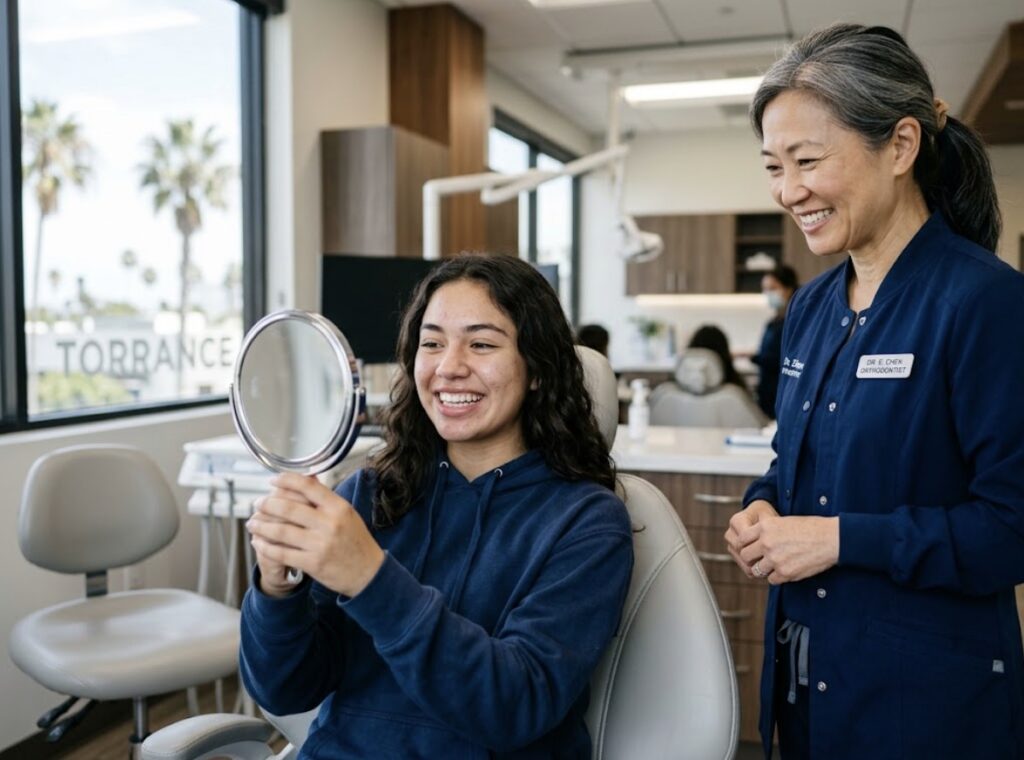
Braces and clear aligners move teeth into new positions, but those positions are not immediately self-supporting once active treatment ends.
The bone, ligaments, and other tissues surrounding your teeth continue adapting after the braces come off. Teeth may also shift over time because of normal biological changes, aging, growth, bite forces, and other factors.
This is why orthodontists prescribe retainers after treatment.
A large 2023 Cochrane review looked at 47 studies involving 4,377 children and adults. The researchers confirmed that retention reduces unwanted tooth movement after orthodontic treatment, but they also found that current evidence does not clearly identify one retainer or retention schedule as best for every patient.
This point matters because orthodontic retention should be individualized. Your orthodontist may consider your original tooth positions, bite, age, oral health, treatment method, and likelihood of teeth shifting before recommending a specific retainer.
A retainer does not freeze your teeth in place forever. Its role is to help maintain alignment as your mouth naturally changes.
Understanding why retention matters makes the next rule easier to follow: the retainer works as intended only when you wear it as your orthodontist instructs.
Rule 1: Wear Your Retainer as Directed
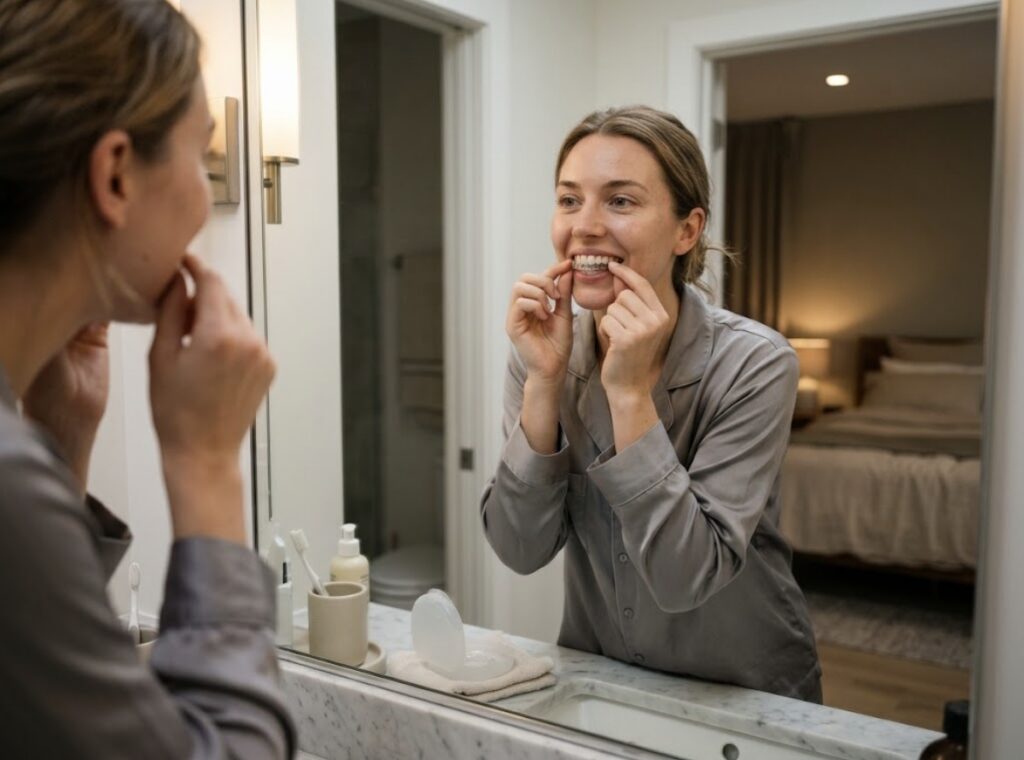
Consistency matters most with a removable retainer.
If your orthodontist tells you to wear a retainer for a certain number of hours or during specific parts of the day, that schedule reflects your treatment plan. Some patients may need more frequent wear shortly after braces come off, then transition to nighttime use later.
No single wear schedule applies to everyone.
One prospective study used electronic sensors to track how long patients actually wore thermoplastic retainers after orthodontic treatment. The researchers found more lower front-tooth movement among patients who averaged less than nine hours of daily wear than among those who averaged at least nine hours. The study involved a specific group of 42 patients who had undergone premolar extraction treatment, so the nine-hour figure should not be treated as a universal rule.
The practical takeaway is simpler: wear your retainer according to the schedule your orthodontist gives you.
At Jenuine Smiles, Dr. Jen views retention as a long-term part of the orthodontic journey. That can include continued nighttime wear after the initial retention period.
What Happens If You Stop Wearing Your Retainer?
Teeth may begin to shift if you stop wearing a removable retainer.
The amount of movement varies by person. Some people may notice that their retainer feels tighter after missing several nights. Others may notice visible changes in the front teeth or bite.
A retainer that once fit comfortably may also stop seating completely if the teeth have moved.
Do not force a retainer onto teeth if it no longer fits properly or causes significant discomfort. Contact your orthodontist so they can check the fit and your current alignment.
Depending on what has changed, your orthodontist may recommend continued retainer wear, a replacement appliance, or additional orthodontic treatment.
Following your wear schedule is one part of successful retention. Choosing the right retainer type is another.
Rule 2: Use the Type of Retainer Recommended for Your Smile
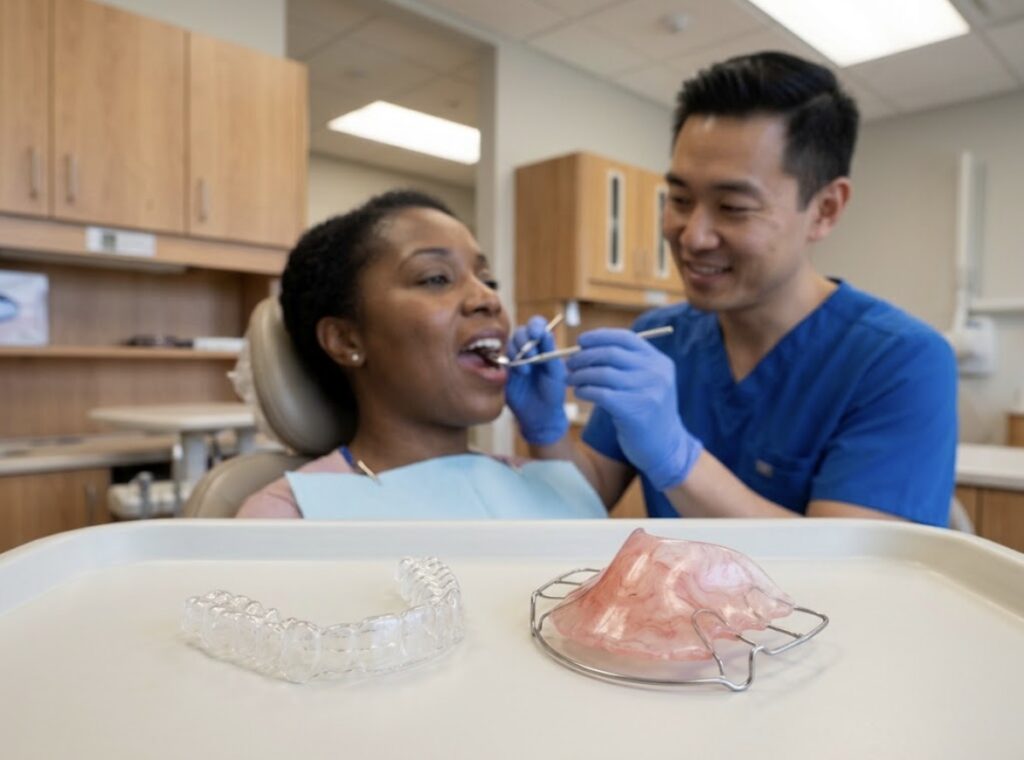
Retainers come in several designs, and each has different benefits and care requirements.
Jenuine Smiles offers clear retainers, Hawley retainers, and fixed retainers. The right choice depends on your orthodontic needs, not on which option looks easiest or most popular.
| Type of retainer | How it works | What to know |
| Clear retainer | A removable plastic tray fits over the teeth | Discreet, but requires consistent wear and may crack or distort over time |
| Hawley retainer | Acrylic material works with a metal wire across the front teeth | Removable and durable, but more visible than a clear retainer |
| Fixed retainer | A thin wire is bonded behind selected teeth | Stays in place, but requires careful cleaning and regular checks for loose bonding |
Clear Retainers
A clear retainer is a removable appliance made to fit closely over your teeth.
Many patients like this type because it is discreet and relatively simple to wear. Because it is removable, though, it only works if you wear it as directed.
Clear retainers can also wear down over time. Cracks, warping, looseness, or changes in fit are good reasons to contact your orthodontist.
Hawley Retainers
Hawley retainers usually combine an acrylic section with a metal wire that runs across the front teeth.
For an upper retainer, the acrylic portion may rest against the roof of your mouth. A lower Hawley retainer sits inside the lower arch.
These retainers are removable and can last for years with proper care, although their lifespan varies depending on use, handling, and changes in your teeth.
Fixed Retainers
A fixed retainer uses a thin wire bonded behind certain teeth, often the lower front teeth.
Because you don't remove it, you don't need to remember to insert it at night. That can be useful when the orthodontist wants continuous retention.
The word "fixed" does not mean you can forget about the retainer. The bonding material can loosen, and the wire may bend or break. Cleaning around it also requires extra attention because plaque and food can collect near the wire.
A study involving adults with fixed lower retainers found better lower incisor stability among patients who also wore a removable nighttime retainer. However, the research focused on a specific retainer design and patient population, so it doesn't mean everyone needs two retainers.
Your orthodontist can decide if a removable retainer, fixed retainer, or combination makes sense for your smile.
Once you have the right retainer, proper care helps protect both the appliance and your oral health.
Rule 3: Keep Your Retainer Clean and Store It Safely
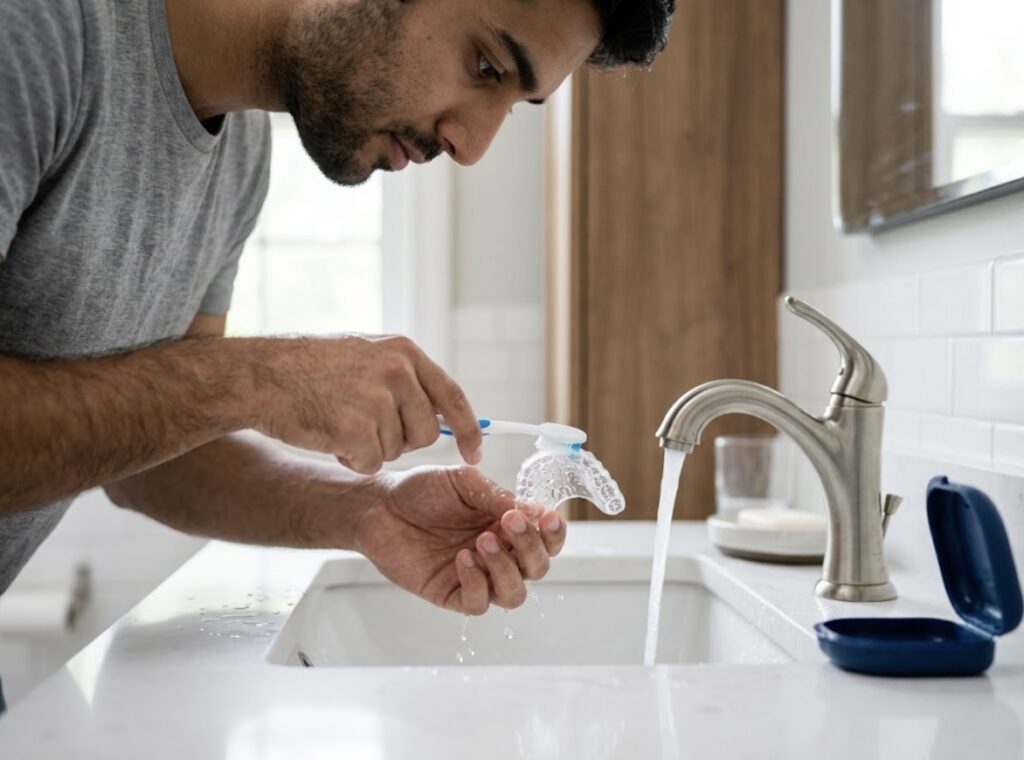
A removable retainer spends hours against your teeth, so it can collect saliva, plaque, and food debris.
Clean it as your orthodontic team instructs. In many cases, gentle brushing with a soft toothbrush and cool or lukewarm water is appropriate.
Avoid exposing a removable retainer to hot water unless your orthodontist specifically says otherwise. High temperatures can distort some materials and change the fit.
Storage matters too.
Keep your retainer in its protective case whenever you are not wearing it. A case helps protect it from being crushed, misplaced, or damaged.
Avoid wrapping the retainer in a napkin during meals. Retainers are small and easy to mistake for trash, especially in restaurants or school cafeterias.
Pets can also be surprisingly interested in retainers, so keep the case somewhere secure.
If you wear a fixed retainer, focus on cleaning carefully around the wire and between your teeth. Your dental and orthodontic teams can show you which flossing tools or cleaning methods suit your appliance.
Good retainer care can extend the appliance's life, but even well-cared-for retainers may eventually need attention or replacement.
Rule 4: Do Not Ignore a Lost, Broken, or Poorly Fitting Retainer

Retainers are not indestructible.
A removable retainer may crack, warp, become loose, or disappear entirely. A fixed retainer may partially detach from a tooth or develop a bent wire.
If that happens, contact your orthodontist rather than waiting for obvious tooth movement.
A lost or damaged retainer may mean your teeth no longer have the support your orthodontist intended. Acting early may make it easier to address the problem before more noticeable movement occurs.
Pay attention to fit as well.
A clear or Hawley retainer that suddenly feels unusually tight may indicate that your teeth have shifted. A retainer that no longer fits fully over your teeth also warrants an orthodontic evaluation.
Do not cut, bend, glue, or reshape a retainer yourself. Home repairs can damage the appliance or change the forces placed on your teeth.
Replacement Retainers in Torrance
Jenuine Smiles Orthodontics offers replacement retainers in Torrance, including same-day replacement options for qualifying patients.
The office uses digital intraoral scanning, which can eliminate the need for traditional putty impressions when creating a new appliance.
If you lose or damage your retainer, contacting the office promptly can reduce the time you spend without prescribed retention.
Replacing a damaged appliance solves the immediate problem. Keeping your teeth in their new positions over the years requires a longer-term mindset.
Rule 5: Think of Retention as Part of Your Long-Term Orthodontic Care

The day your braces come off is a milestone, not necessarily the end of caring for your alignment.
Teeth naturally change throughout life. Aging, growth, bite forces, dental changes, and the tissues around your teeth can all influence their position.
That is why many orthodontists recommend long-term retainer wear.
Your exact schedule may change over time. You might wear a removable retainer more frequently at first and then move to nighttime use. Some patients may have a fixed retainer for an extended period.
Follow the instructions for your own teeth rather than stopping because your smile still looks straight.
It is also a good idea to bring your retainer to orthodontic follow-ups when requested. Your orthodontist can check the fit, look for signs of wear, and assess whether your teeth remain stable.
Continue regular visits with your general dentist as well. Dental checkups focus on your teeth, gums, and overall oral health, while orthodontic visits address alignment, bite, and retention concerns.
Even adults who finished wearing braces years ago can ask an orthodontist about retention. If your old retainer no longer fits or you notice movement in your front teeth, an evaluation can clarify your options.
Long-term retention does not have to feel complicated. A few consistent habits can make caring for your smile much more manageable.
Retainers After Braces: 5 Rules to Remember

Once active orthodontic treatment is finished, keeping your teeth straight comes down to following the plan created for your smile.
Keep these five rules in mind:
- Wear your retainer as your orthodontist instructs.
- Use the retainer type recommended for your teeth and bite.
- Keep removable retainers clean and store them safely.
- Contact your orthodontist if your retainer is lost, damaged, loose, or no longer fits.
- Treat retention as an ongoing part of your orthodontic journey.
At Jenuine Smiles Orthodontics, Dr. Jen works with kids, teens, and adults throughout Torrance and the South Bay. Her approach combines careful orthodontic planning with the warm, personal experience the practice is known for.
Those same principles continue after braces come off, which is why questions about retainer wear are always worth asking rather than guessing.
Frequently Asked Questions About Retainers After Braces
1. How long should I wear retainers after braces?
Retainer wear time and frequency vary by patient.
Your orthodontist may recommend more frequent wear immediately after braces, followed by long-term nighttime use. Follow the schedule provided for your specific treatment rather than changing it based on another person's experience.
2. Will my teeth shift if I stop wearing my retainer?
They can.
Teeth can still change position after orthodontic treatment. How quickly they shift and how much movement occurs varies from person to person.
If you have stopped wearing your retainer and it now feels tight or does not fit completely, contact your orthodontist before trying to force it into place.
3. Is a fixed retainer better than a removable retainer?
Neither type is automatically better for every patient.
A fixed retainer provides continuous retention without requiring nightly wear, but it requires careful cleaning and can become loose or damaged.
A removable retainer is easier to clean outside the mouth but depends on consistent wear.
Your orthodontist can recommend the type that best fits your treatment history and current needs.
4. What should I do if my retainer feels tight?
A change in fit can sometimes mean that your teeth have moved slightly.
If the retainer still seats normally but feels different, contact your orthodontic team for guidance. If it will not seat completely or causes significant discomfort, do not force it.
An orthodontist can determine whether the appliance is still appropriate or whether you need a replacement.
5. Can I get a new retainer after braces if I lose mine?
In many cases, yes.
An orthodontist can evaluate your teeth and determine whether they can make a replacement retainer based on their current positions.
Jenuine Smiles Orthodontics offers replacement retainer services in Torrance and uses digital scanning to create new appliances when appropriate.
Once those practical questions are answered, the most important thing is simply staying consistent with the plan created for your smile.
Keep Your Jenuine Smile on Track
Finishing braces deserves to feel exciting. Keeping that smile in alignment afterward comes down to a few practical habits: wear your retainer as directed, care for it, and speak with your orthodontist if something doesn't seem right.
Retention recommendations can differ because every orthodontic treatment plan is different. What works for a friend, sibling, or family member may not be the right approach for your teeth.
If you have questions about retainers after braces, need a replacement retainer, or notice yours no longer fits correctly, Jenuine Smiles Orthodontics in Torrance can help. Dr. Jen and the team can assess your current alignment and discuss a retention plan based on your smile, bite, and orthodontic history. Schedule a consultation today.