
An overbite can affect the way your smile looks, how your teeth come together, and how comfortable your bite feels. For some patients, a deep overbite may contribute to concerns such as tooth wear, difficulty cleaning certain areas, or changes in jaw comfort.
Overbite correction helps address bite alignment concerns by guiding the teeth and, when needed, improving the relationship between the teeth and jaws. At Jenuine Smiles Orthodontics in Torrance, every treatment plan begins with a careful evaluation of your smile, bite, and oral health needs.
Not every overbite requires treatment. Some are mild and may only need monitoring, while others may benefit from orthodontic care. Understanding the signs of a deeper overbite can help you decide when it may be time to schedule an orthodontic consultation.
What You'll Learn From This Article
- How an overbite affects your teeth, bite function, and oral health.
- Five signs that may suggest you should have your bite evaluated by an orthodontist.
- What happens during an overbite assessment at an orthodontic office.
- How Invisalign® clear aligners, braces, and other treatment options may address different bite concerns.
- Why personalized orthodontic care matters when planning overbite correction in Torrance.
Understanding an Overbite and Why It Matters
An overbite describes how much the upper front teeth overlap the lower front teeth when your mouth closes. A small amount of overlap is normal and helps your teeth work together during everyday activities like chewing and speaking.
The concern begins when the overlap is deeper than expected or when the bite relationship affects comfort, function, or dental health. An overbite can be related to the position of the teeth, jaw development, genetics, or other oral habits.
Some patients have a dental overbite, in which the primary concern is tooth position. Others may have a skeletal overbite, in which the relationship between the upper and lower jaws contributes to the bite pattern.
A professional evaluation is the best way to understand your specific situation. An orthodontist looks at your teeth, jaw alignment, and oral health before recommending any treatment.
Recognizing possible signs of an overbite is the first step toward understanding whether an orthodontic consultation may be helpful.
5 Signs You May Need Overbite Correction
An overbite can develop gradually, and some changes may not be obvious at first. Paying attention to how your teeth look and feel can help you know when to seek guidance.
1. Your Upper Teeth Cover Too Much of Your Lower Teeth
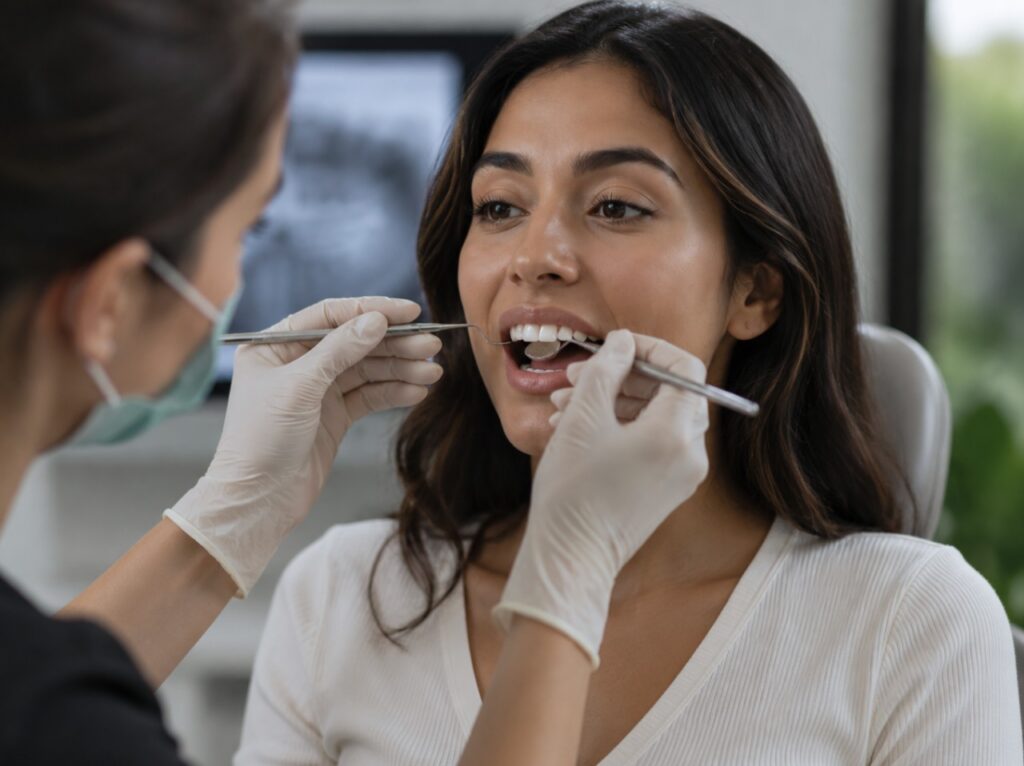
One common sign of a deeper overbite is when the upper teeth cover a significant portion of the lower teeth when your mouth is closed.
Some patients notice that their lower teeth are difficult to see when they smile or bite down. Others may feel their teeth don't meet evenly or that their bite feels different from other people’s.
An orthodontist can evaluate the amount of overlap and determine whether it affects your bite. The goal of orthodontic treatment is not only to improve appearance but also to support proper alignment and function.
2. Your Jaw Feels Uncomfortable, or Your Bite Has Changed
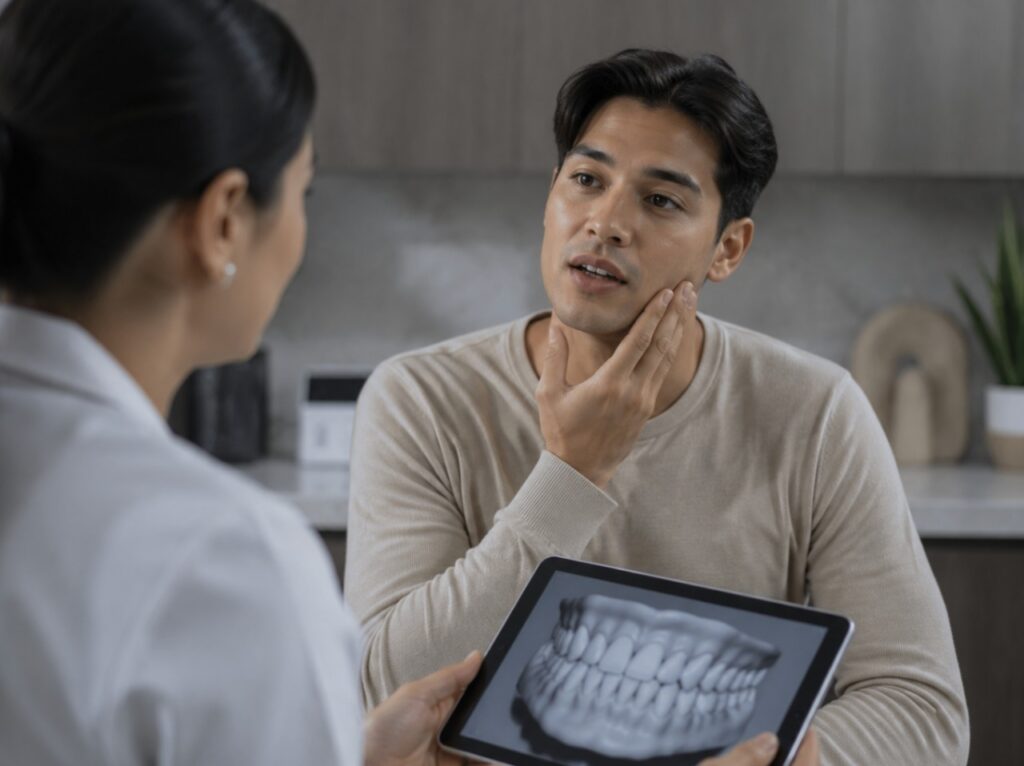
Your teeth, jaw joints, and muscles work together every day. When your bite is misaligned, some patients may notice changes in how their jaw feels.
Possible reasons to schedule an orthodontic evaluation may include:
- Your bite feels uneven or uncomfortable.
- Your teeth do not come together the way they used to.
- You notice tension around your jaw while eating or speaking.
- Your lower jaw feels like it shifts when you close your mouth.
Jaw discomfort can have many causes, so an orthodontic consultation is important before assuming an overbite is the cause. A specialist can examine your bite and determine whether alignment may be contributing to your concerns.
In more complex cases involving jaw structure, a specialist may recommend additional evaluation. Some severe skeletal cases may require a combination of orthodontic care and jaw surgery, also called orthognathic surgery.
Understanding the source of a bite concern helps create a treatment plan that fits your needs.
3. Your Teeth Show Signs of Uneven Wear
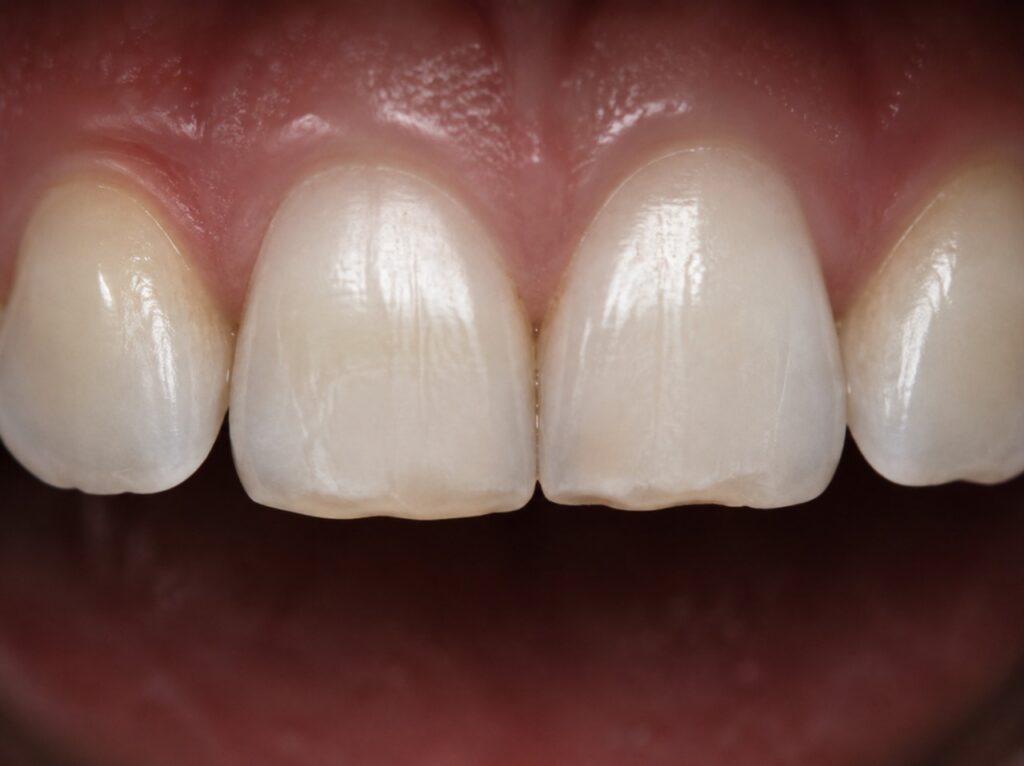
A misaligned bite may place additional pressure on certain teeth. Over time, some patients may notice changes in how their teeth feel or areas where the enamel appears worn.
Tooth wear can have several causes, including grinding, enamel characteristics, and bite patterns. An orthodontist considers all of these factors when evaluating whether overbite correction may be appropriate.
Improving alignment may help create a more balanced bite relationship, but treatment recommendations depend on your individual dental health and examination findings.
A closer look at your bite can also reveal whether alignment concerns are affecting other areas of your smile.
4. Cleaning Certain Areas of Your Teeth Is Difficult
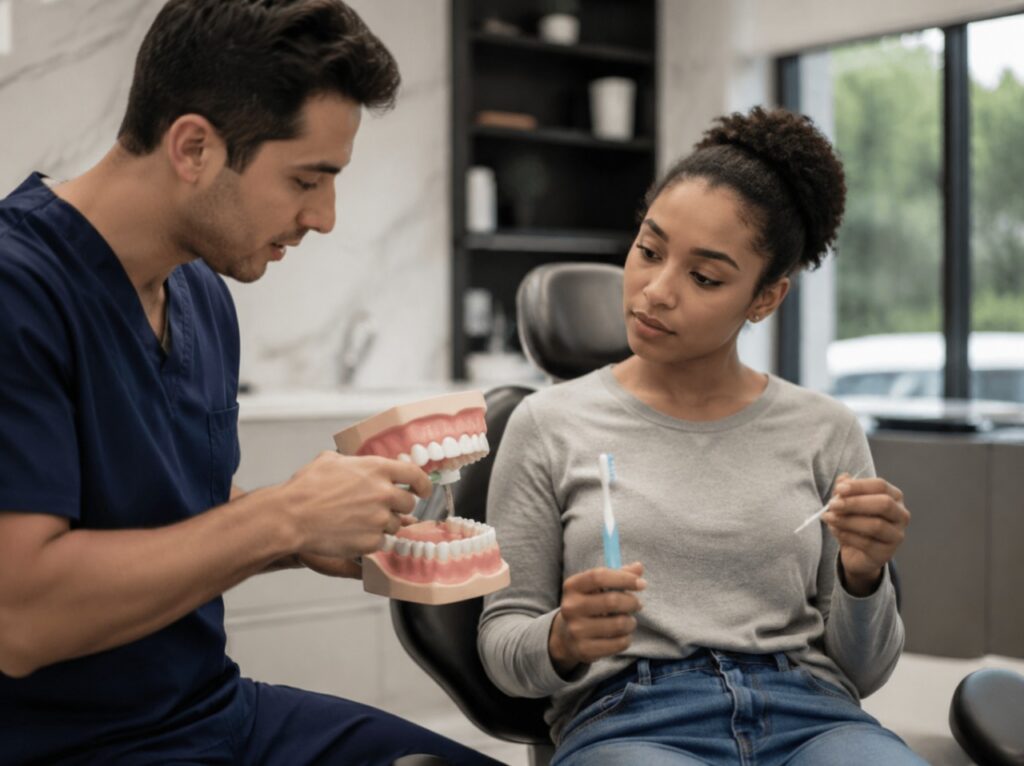
Keeping your teeth clean is an important part of protecting your oral health. However, overlapping teeth or areas affected by misalignment may sometimes make brushing and flossing more challenging.
When plaque builds up in hard-to-reach areas, it can irritate your gums and increase your risk of gum disease. Good hygiene habits remain important before, during, and after orthodontic treatment.
According to MedlinePlus dental health information, maintaining good oral care habits plays an important role in preventing common dental concerns.
Orthodontic treatment may help improve tooth positioning, but it works best when combined with daily brushing, flossing, and regular dental visits.
5. You Feel Self-Conscious About Your Smile or Bite

A smile is an important part of how many people express themselves. Some patients seek orthodontic care because they feel uncomfortable with the appearance of their teeth or their bite.
An overbite may affect confidence, especially when the upper teeth noticeably overlap the lower teeth. Learning about available treatment options can help you understand what may be possible based on your orthodontic needs.
At Jenuine Smiles Orthodontics, the focus is on creating personalized care plans that consider both the appearance of the smile and overall oral health.
Once you recognize possible signs of an overbite, the next step is understanding how an orthodontist evaluates your bite.
How Orthodontists Evaluate an Overbite
An overbite evaluation involves more than simply looking at how your teeth appear. Orthodontists examine the relationship between your teeth, jaw, and facial structure to understand your specific needs.
During an orthodontic consultation, your provider may review:
- Tooth alignment and spacing.
- How your upper and lower teeth meet.
- Jaw position and development.
- Your smile goals and concerns.
- Digital scans or images of your teeth.
Jenuine Smiles Orthodontics uses advanced 3D scanning technology to create a detailed view of your teeth and bite. This technology helps replace traditional impression materials and supports a more comfortable consultation experience.
The American Association of Orthodontists notes that orthodontic evaluations help identify bite concerns and guide treatment recommendations based on each patient’s needs.
Every smile is different. Your recommended treatment depends on factors such as your age, bite severity, tooth movement needs, and jaw structure.
Treatment Options for Overbite Correction
The best treatment approach depends on your individual bite and orthodontic goals. Some patients may need minor tooth movement, while others may require more comprehensive orthodontic treatment.
The table below provides a general overview of common treatment options.
| Treatment Option | May Be Considered For | Important Considerations |
| Invisalign® clear aligners | Many mild to moderate orthodontic concerns | Removable aligners are created based on a customized treatment plan. Suitability depends on your specific bite. |
| Traditional braces | Many types of tooth and bite alignment concerns | Brackets and wires gradually guide teeth into improved positions. |
| Clear braces | Patients who prefer a less noticeable brace option | Provides the function of braces with a more subtle appearance. |
| Orthodontic treatment with surgical consultation | Certain severe skeletal concerns | May involve coordination with other dental specialists when jaw structure affects the bite. |
Invisalign® Clear Aligners
Clear aligners may be an option for patients with certain overbite concerns. These removable trays are designed to gradually guide teeth in accordance with a personalized treatment plan.
Jenuine Smiles Orthodontics provides Invisalign clear aligner treatment and uses digital technology to plan care based on each patient’s smile and bite.
Traditional Braces
Traditional braces remain a trusted orthodontic option for many patients. They use brackets and wires to apply controlled pressure, guiding teeth into improved positions over time.
Severe Skeletal Overbite Cases
Some overbites involve differences in jaw structure rather than tooth position alone. In these cases, an orthodontist may recommend additional evaluation to determine the most appropriate approach.
Treatment decisions should always be based on a complete orthodontic assessment.
Why Early Evaluation Can Help You Understand Your Options
Many patients are unsure if their overbite is significant enough to discuss with an orthodontist. A consultation can provide helpful information and allow you to understand whether treatment, monitoring, or another approach may be appropriate.
Orthodontic evaluations can benefit children, teens, and adults. Early assessment may help identify changes in tooth alignment, jaw development, or bite function.
At Jenuine Smiles Orthodontics, Dr. Jen and the team provide orthodontic care focused on personalized treatment recommendations. The practice treats patients of all ages and offers options tailored to their individual needs.
Learning about your bite early gives you more information when deciding what steps to take next.
Why Choose Jenuine Smiles Orthodontics for Overbite Correction in Torrance?

Choosing an orthodontist means choosing a provider who understands how teeth, bite function, and smile goals work together.
Jenuine Smiles Orthodontics specializes exclusively in orthodontics. Dr. Jen and the team provide customized treatment plans for children, teens, and adults, including Invisalign clear aligners, metal braces, clear braces, and TMJ treatment.
Patients can also benefit from:
- 3D scanning technology for evaluating teeth and bite.
- Flexible financing options.
- The Smile Assurance Program for ongoing retainer support.
- A convenient Torrance location near the Del Amo Mall and Torrance Civic Plaza.
Orthodontics is about more than creating a beautiful smile. It is about helping patients understand their options and receive care that supports their overall dental health.
Frequently Asked Questions
1. What is overbite correction, and who may need it?
Overbite correction is orthodontic treatment focused on improving the alignment between the upper and lower teeth. Patients who have significant tooth overlap, bite discomfort, or alignment concerns may benefit from an orthodontic evaluation.
2. Can Invisalign correct an overbite?
Invisalign may help correct certain overbite concerns, especially in mild to moderate cases. An orthodontist must evaluate your bite to determine whether clear aligners are appropriate for your situation.
3. How long does overbite correction take?
Treatment time varies depending on the severity of the overbite, the treatment option selected, and how your teeth respond to orthodontic care. Your orthodontist can provide a more specific estimate after an examination.
4. Do adults need overbite correction?
Adults can receive orthodontic treatment for bite alignment concerns. Invisalign clear aligners, braces, and other orthodontic options may be considered based on individual needs.
5. Is jaw surgery needed for severe overbite cases?
Jaw surgery is only considered for certain severe skeletal cases where jaw position significantly contributes to the bite concern. Many patients can be treated with orthodontic options alone, but an orthodontist can help determine the best approach.
Schedule Your Overbite Consultation in Torrance
If you have concerns about tooth overlap, bite alignment, or how your smile feels, a consultation can help you better understand your options.
The team at Jenuine Smiles Orthodontics provides personalized orthodontic care for patients throughout Torrance and surrounding communities. Schedule your free consultation today to discuss your smile goals and learn more about possible overbite correction options.